Madrid No Frills

New Regularisation Law must also confront employer abuse – especially inside the Spanish home

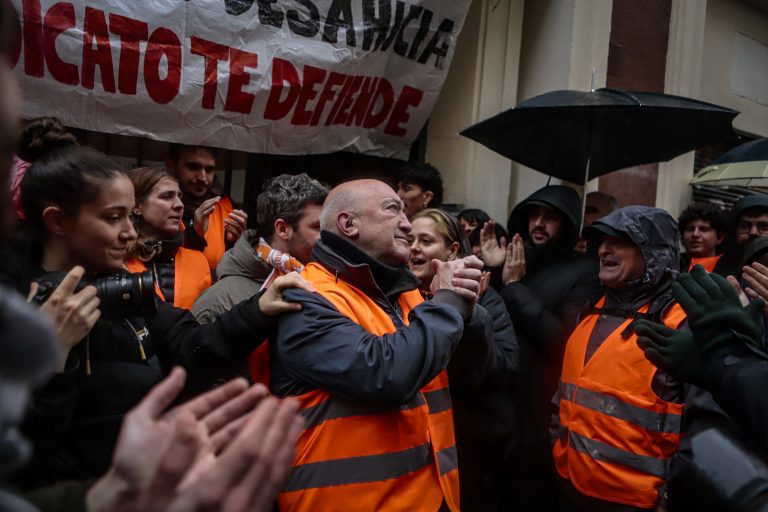
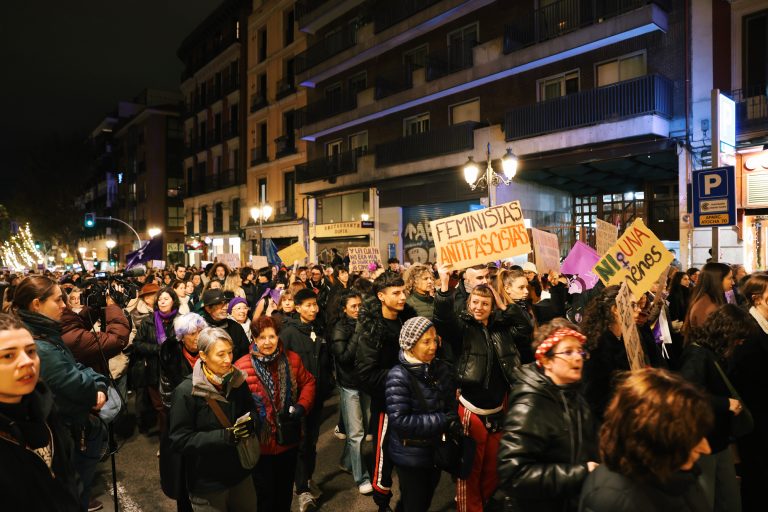
Author: Leah Pattem Story also published in El Salto Diario (Castellano) Complete lack of labour inspections inside the Spanish home, where migrant domestic workers live, enables employers to evade accountability, breeding a colonial mindset where wrongdoing no longer even registers as wrong. If Pedro Sánchez is serious about intersectional justice, his government must enact immediate, concrete action. Around the world, Spain’s announcement to regularise roughly half a million undocumented migrants has been widely hailed as a landmark step towards justice. International newspapers are applauding the Spanish government for launching one of the most ambitious regularisation efforts in recent history, framed as supplementing a shrinking population while extending equal rights to irregular workers. But while the country basks in the spotlight for all the right reasons, especially among growing anti-immigrant sentiment elsewhere in Europe, we’re being watched closely. Can our government set a precedent in tackling Europe’s migration crisis? Maybe. But...
Bodegas Calatrava: “There aren’t many bodegas like this anymore”

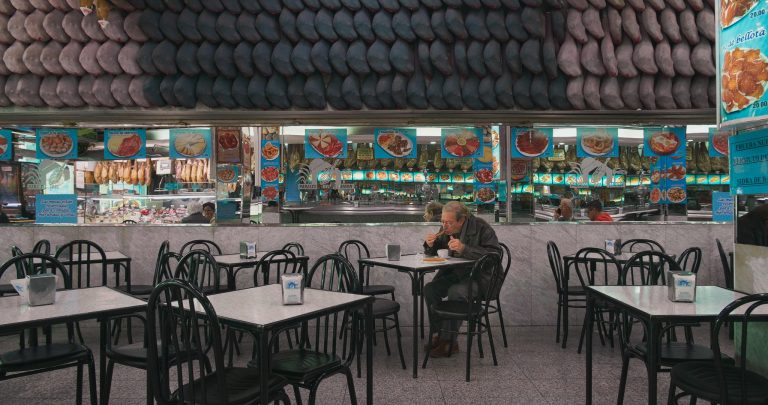
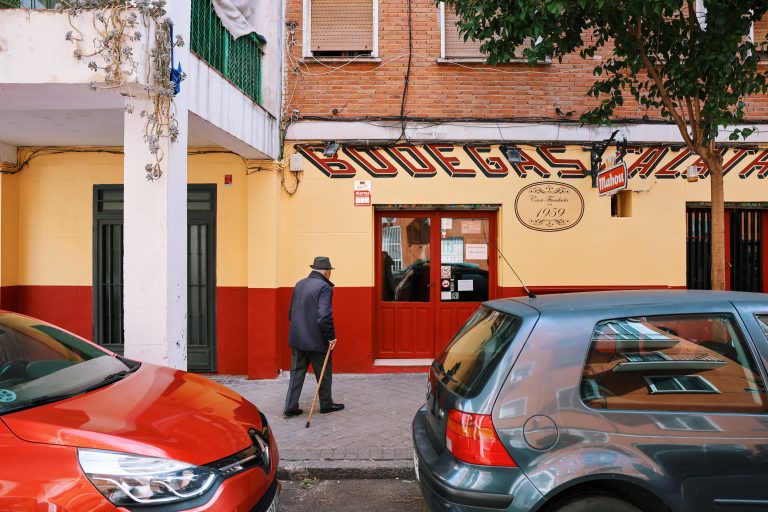
This is one of those true city bodegas that functions first as a shop and then as a bar – though, over time, the bar has become the main event. It feels closer to a social club, or a working men’s club like the ones back in Newcastle where I’m from: somewhere you might stop for a quick drink before the match, or find yourself drowning your sorrows after a funeral with complete strangers who turn out to have known your uncle – they worked together for years and used to drink here together after shift.

The religious landlords who keep trying evict Madrid’s vulnerable tenants

At around 5.30am, just as the birds began chirruping, members of Madrid’s housing movement began gathering outside Mariano’s home. While the sound of neighbours talking at that hour is not unusual here, the mood on this occasion was tense. Between embraces and murmured complaints about lack of sleep, there was an unmistakable nervousness: after three previous attempts to remove him, Mariano was facing what he feared would be a fourth – and final – eviction order, this time signed off by a religious institution.

Two of the last historic buildings in Lavapiés have been saved from demolition

Two of the last historic buildings in Lavapiés has been saved from demolition. Just before noon today, following recognition of the buildings’ potential heritage value, police shouted from street level to the construction workers on the roof to stop work immediately. The two-storey buildings on Plaza Nelson Mandela – formerly home to Baobab, Madrid’s first Senegalese restaurant and an old guest house – now stands as a powerful symbol of a rare victory for the barrio.

The seafood bar that does the best callos inside the M30

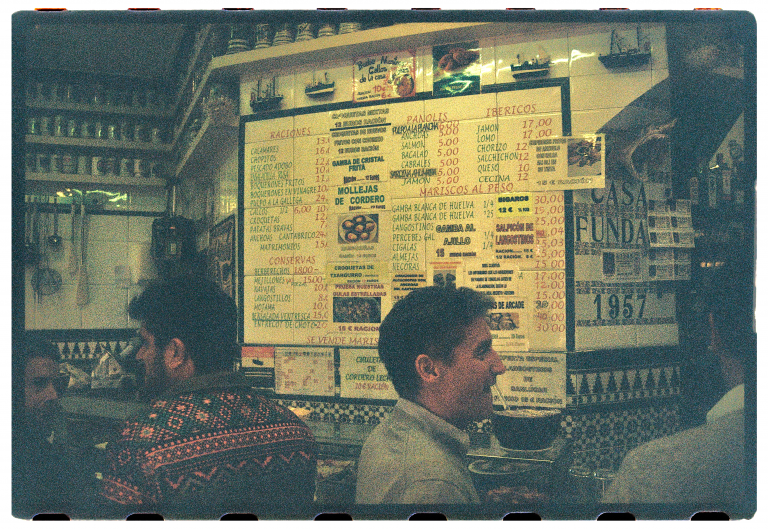
Author and photos: Abbas Asaria One of the things l love the most about Madrid are the senseless yet beautiful contradictions it serves your way. One of our most famous dishes is the bocata de calamares despite being 350km away from the coast, and ordering ‘un mini’ will get you a litre of beer, to name a couple. My favourite of them all relates to the bar that does the best callos inside the M30 (in my opinion), which you can recognise from the huge sign out front proudly identifying the place as Marisquería Bar Alonso. Founded in 1957, according to one of the tiles behind the bar, or 1956 according to the website (what’s one more contradiction while we’re at it), the place is run by José Manuel, who started working there as a teenager in the 1980s, who took over when the founders retired and cooks 10kg of callos...

Mazón’s belated resignation is no act of grace, it’s an insult to democracy

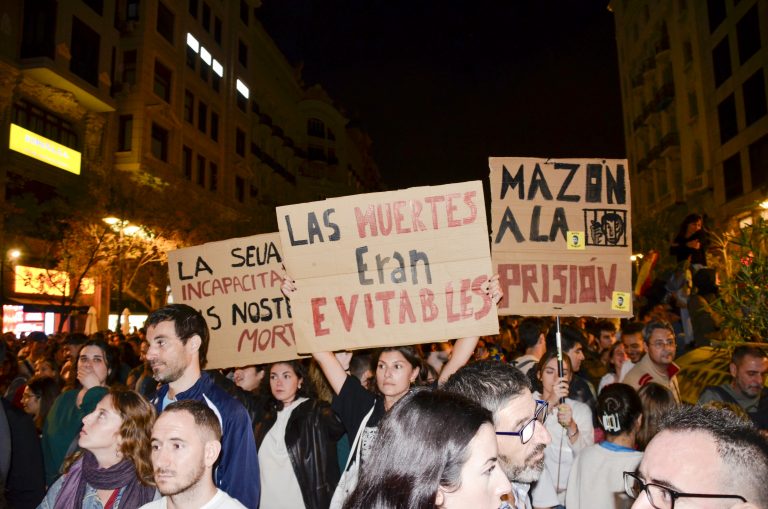
For twelve long months, Mazón has staggered on like a political ghost haunting a grieving nation. His party, the Partido Popular, never forced him out. Instead, they stood by him every step of the way, offering loyalty just to save their own names, long after it became clear his position was untenable. And so, when Mazón announced his resignation this week, he was allowed to do it on his own terms – framed not as disgrace, but as an act of dignity. It was anything but.

As 12 October approaches, hay algo que celebrar: This.

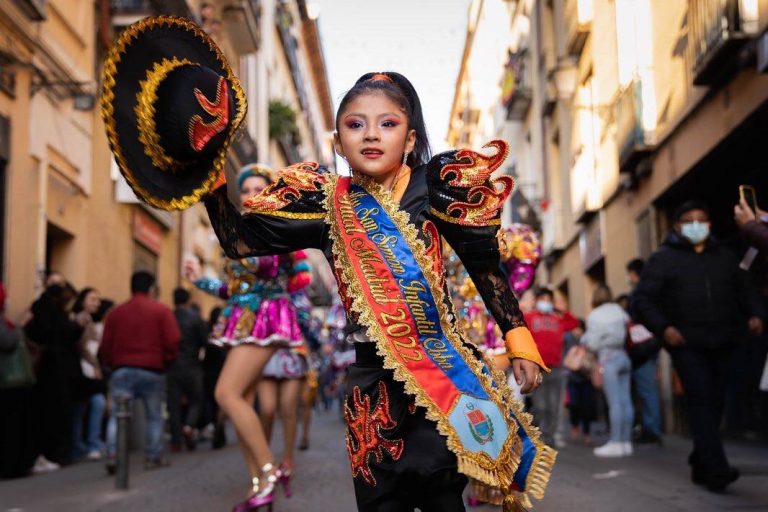
Each year, in the shadows of the nation-wide parade of the Spanish military, indigenous communities come together in Madrid to celebrate the parts of their culture and history that were never erased during the colonisation of their people and lands.

Madrid EXT: The film about Madrid you need to see right now

Juan Cavestany, 56, was immortalised as a child in the sun-bleached mural in the corner of Plaza Cascorro in El Rastro, painted more than 40 years ago by his dad. Now, after decades working as a journalist around the world, he returns with outsider eyes, able to capture the iconic elements of a vanishing city – the Madrid I’ve also spent the last 10 years documenting.

How can we stop record heat deaths if we can’t accurately record temperatures?

Spain was one of many European countries hit by record-breaking heat this summer. For three straight weeks in August, temperatures across the Iberian Peninsula soared past 40°C, with no relief after dark. Nights stayed above 26°C, a clear sign of the Urban Heat Island effect, where asphalt and concrete trap the day’s heat and release it slowly at night, preventing temperatures from naturally cooling off.

Pro-Palestine protesters successfully boycott the Vuelta a España

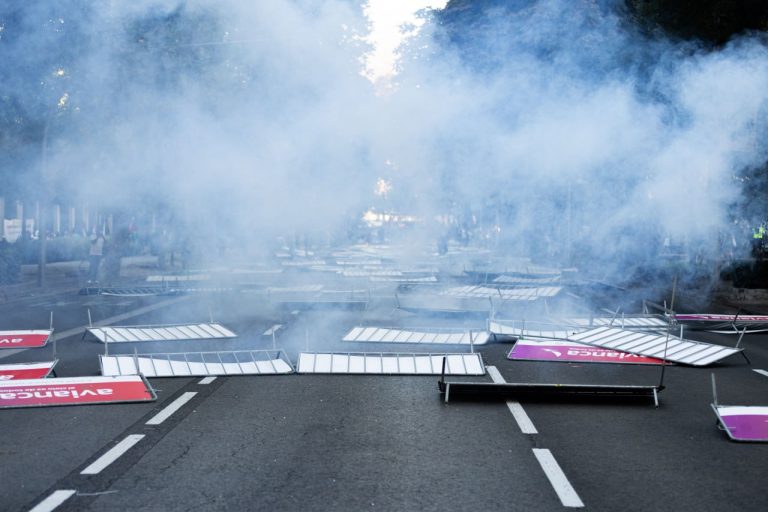
Yesterday, pro-Palestine protesters successfully forced the cancellation of the final stage of the Vuelta a España, where an Israeli team had been competing. After weeks of coordinated disruption attempts across Spain, more than 100,000 demonstrators descended on Madrid, blockading the route using their bodies and fencing barriers. Riot police responded with tear gas and multiple clashes broke out between protesters and authorities.