
Author & Photos: Leah Pattem
In a neighbourhood where 43.5% of the population was born abroad, Lavapiés has developed one of Spain’s most diverse and dynamic food scenes – yet it remains surprisingly overlooked.
Long before rising rents, tourist apartments and vulture funds set upon the neighbourhood, Lavapiés was the go-to barrio for affordable housing because flats here are small and simple – they’re former tenements. This utilitarian architecture was built for successive waves of newcomers – first Spanish and, later, immigrants from around the world.
In 2005, around 3,200 Bangladeshis were registered in the city of Madrid, according to this council report. Many settled in Lavapiés and, before long, a handful of Indian restaurants began appearing along Calle Lavapiés. Most followed the British curry-house model, serving mildly spiced dishes adapted to European tastes. For many Bangladeshi migrants, this style of cooking was already familiar, having seen or even worked in similar restaurants during periods spent in the UK before eventually settling in Spain.
Today, there are approximately 30,000 Bangladeshi nationals in the Comunidad de Madrid, according to the most recent municipal population data, with a particularly strong concentration in Lavapiés. The Bangladeshi population is now large enough to sustain businesses aimed primarily at Bangladeshis, a sign of a community that has developed the critical mass to support its own ecosystem.
As such, an exciting new generation of restaurants has emerged to serve the community itself, where food is shaped by Bengali tastes and traditions rather than western adaptations, offering exactly what you can find in Bangladesh.
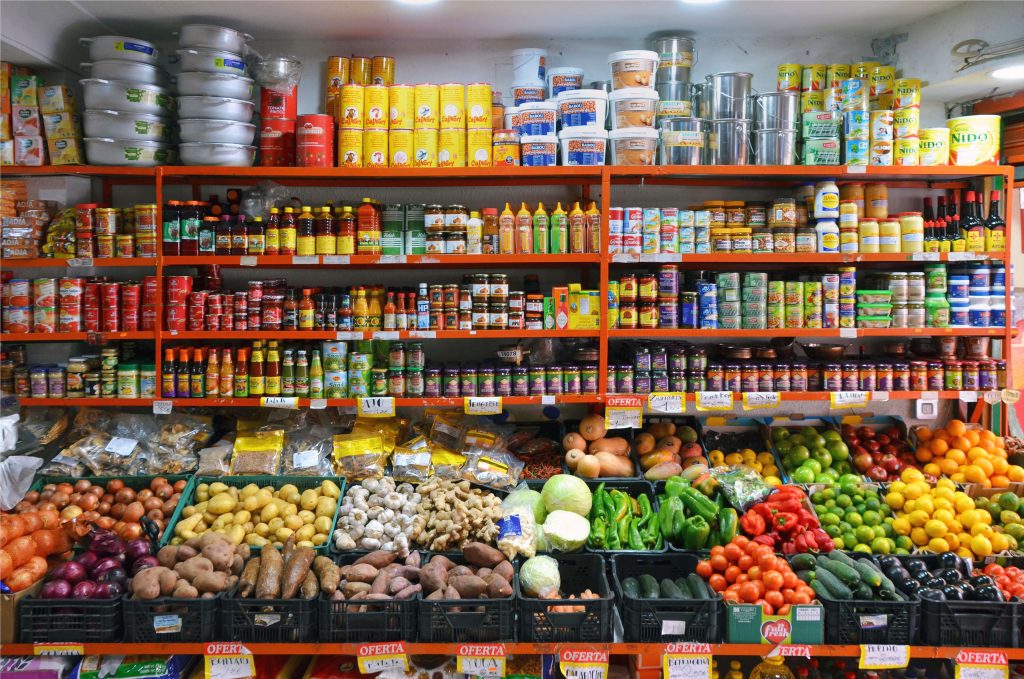
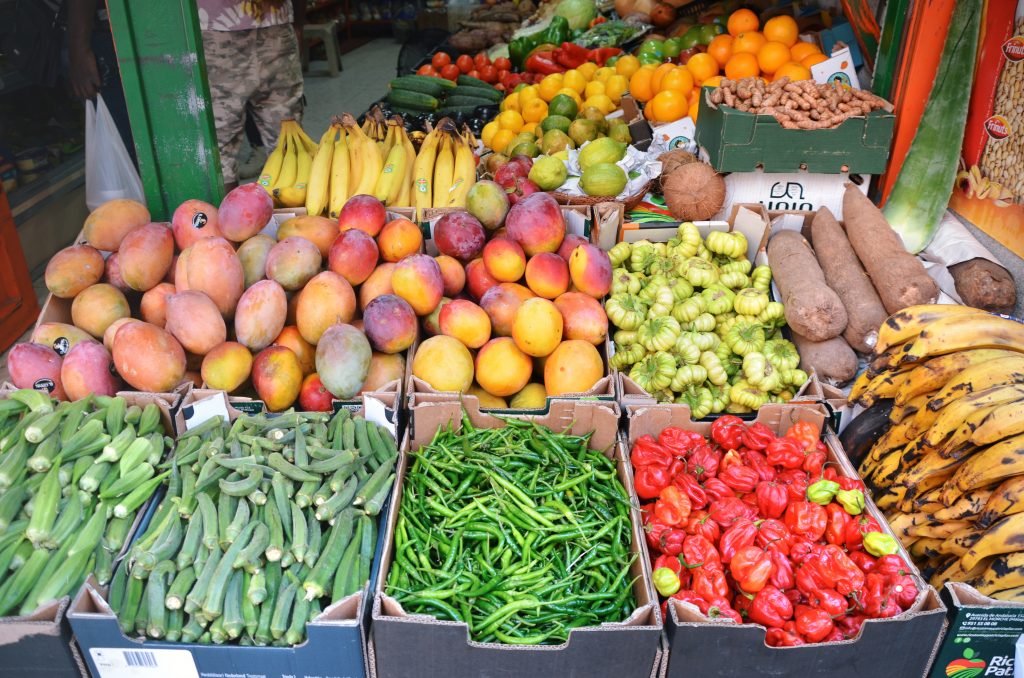
Bangladesh is one of the world’s most populous countries with roughly 170 million inhabitants packed into an area less than one-third the size of Spain. Yet the community’s presence in Lavapiés is highly visible compared with other migrant groups of similar size because of the concentration of businesses and restaurants in a relatively small area. Walk through the barrio and you’ll find a hundred shopfronts advertising everything from cheap flights to Dhaka, to frozen fish imported from the Ganges Delta. Grocery stores spill into the streets with boxes of bright green and red chillies and tropical fruit and veg.
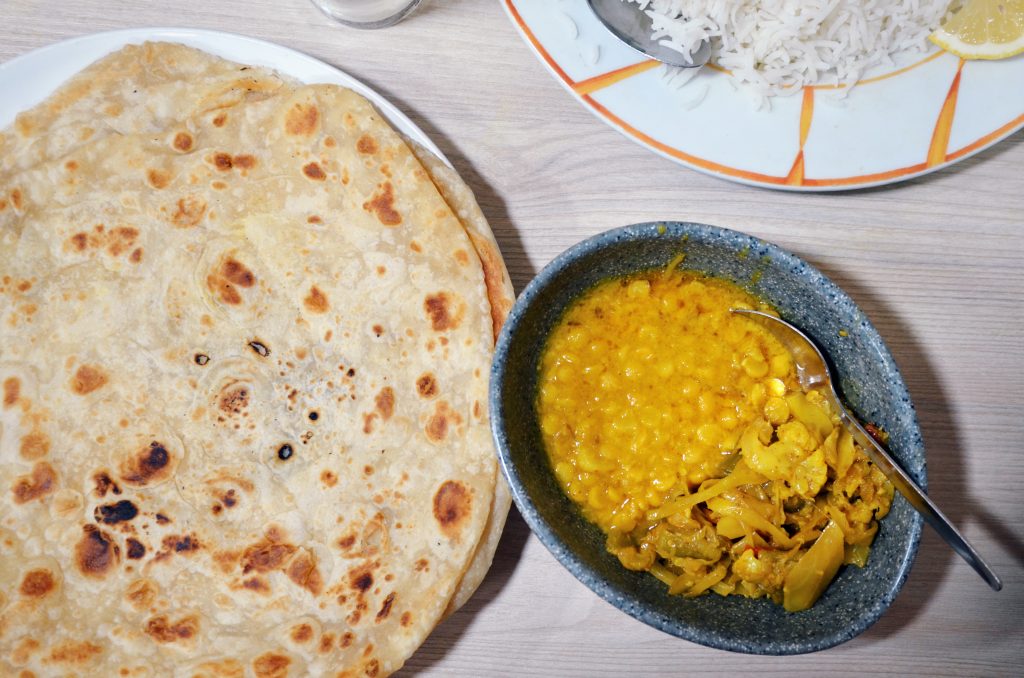
The neighbourhood of Lavapiés is unofficially Spain’s ‘Little Bangladesh’, and its restaurants offer a gateway to Bengali food culture, where a typical breakfast might be dhal and roti, and meals are often enjoyed with the hands rather than cutlery. Yet many non-Bangladeshi customers still seem daunted by Bengali cuisine which, despite being quite similar to Indian food, remains largely misunderstood.
So what is Bengali cuisine?
Bengali cuisine hails from the Ganges Delta, the largest river delta in the world and home to one of the greatest concentrations of people on Earth: around 37 million people. At its heart lies Dhaka, the capital of Bangladesh, one of the world’s largest and most densely populated cities. If Bengali cuisine does not yet enjoy the global recognition afforded to other culinary traditions, it certainly deserves to. And if you’re not already convinced, I suspect you will be by the time you reach the end of this story.
Bengali food is generally less fiery than Indian food, but heat still features through fresh green chillies. One dish found in almost every Bengali restaurant is biryani, either with meat or vegetables and often topped with a boiled egg. Among Bengal’s most prized ingredients is hilsa, a silvery river fish frequently served in rich, spicy sauces. In Lavapiés, where hilsa can be difficult to source, sea bass (lubina) or sea bream (dorada) is often used as a substitute.
The region of Bengal, today divided between Bangladesh and the Indian state of West Bengal, is crisscrossed by rivers and fertile floodplains. The cuisine is shaped by this deltascape and a typical Bengali meal consists of rice, lentils, vegetables and fish. While spices are central to Bengali cooking, they are often used with greater restraint than in many other South Asian cuisines.
Then there’s the sweets. Delicate syrup-soaked sponges and creamy cakes are served at festivals, family gatherings and celebrations of every kind. Every time I visit my Dad, he’s always got a box of a dozen types of sweets in the fridge waiting for me.
My first ever article for El País Gastro was all about South Asian food in Lavapiés. It was my triumphant attempt to persuade Spanish diners to venture beyond the familiar and discover the restaurants serving the neighbourhood’s South Asian communities, including Desh, a traditional Bengali eatery.
The article clearly struck a chord. Remarkably, two years later, food writer Anna Mayer asked me to take her to Desh and she loved it so much she named it among El País’ best restaurants of 2025 – a clear sign that Bengali food is finally beginning to receive the recognition it deserves.
Last year, I wrote a story in El País about the largest mosque in Lavapiés, where important members of Madrid’s political and social movements are invited annually for Iftar. Shortly after, I published another story spotlighting Madrid’s growing South Indian food scene, which has successfully permeated Spain’s gastronomic clique.
My mission to pull South Asian cuisine into Spain’s mainstream consciousness is working, but Bengali cuisine is much slower to enter the national culinary repertoire. Even today, a visit to a restaurant on one of Lavapiés’ busy streets often means eating alongside exclusively Bangladeshi diners (and probably me) rather than the typical Lavapiés diner: a much more Spanish and international crowd. I love that the barrio’s Bengali eateries give importance to serving the communities that built them, but they welcome everyone.
So as Indian, Pakistani and Bangladeshi cuisines gradually gain wider recognition in Spain, the communities behind them are becoming an increasingly visible part of the country’s social fabric. This feels especially significant at a moment when Spain is undertaking the regularisation of hundreds of thousands of migrants. If you’re looking to discover one of Madrid’s most overlooked cuisines, here are five Bengali restaurants in Lavapiés that deserve your attention.
Five great Bengali restaurants in Lavapiés
Desh (Calle del Amparo, 61) is the most established Bengali restaurant in Madrid. The dhal is freshly made, the parota comes straight off the grill, and the dining room fills with Bangladeshi families gathering over breakfast, lunch or dinner.
For the full experience, order the first two dishes on the menu: dhal bhaji, a combination of lentil soup and spiced vegetables, and parota, a flaky layered flatbread. Then go for the lamb bhuna and/or the rich, slow-cooked halim, a spicy beef stew. Add a caña-glass of chai and finish with a bowl of sweet curd, and you’ll struggle to spend more than €10.
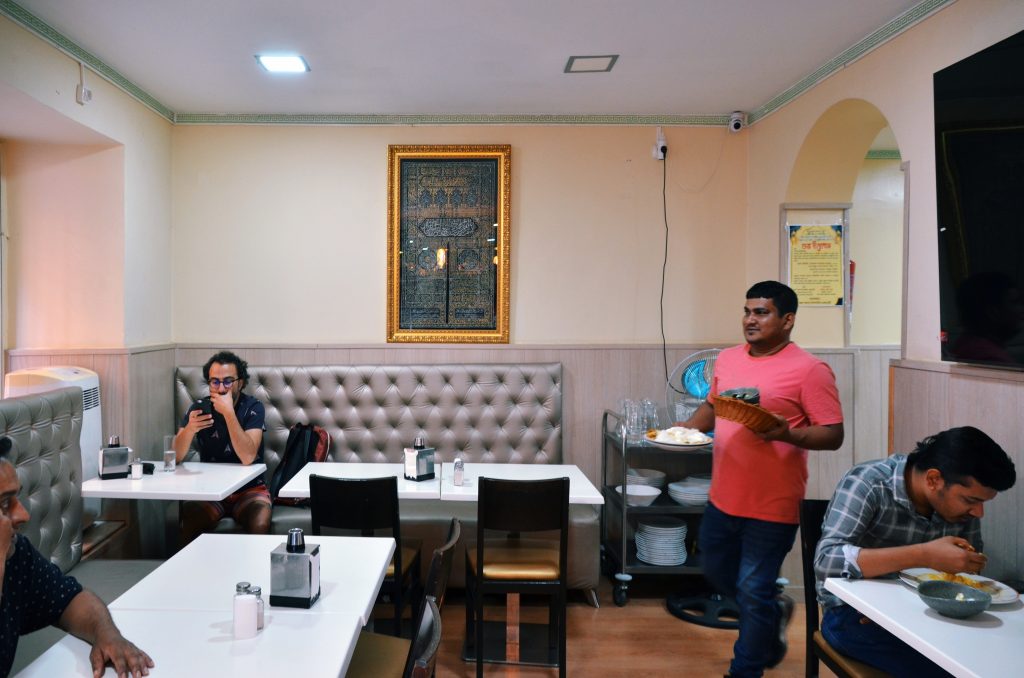
Bangla-Town Bar-Cafetería is already sporting a potential new nickname for Lavapiés, and is the longest-standing specifically Bengali restaurant in Lavapiés, serving all the usual dishes.
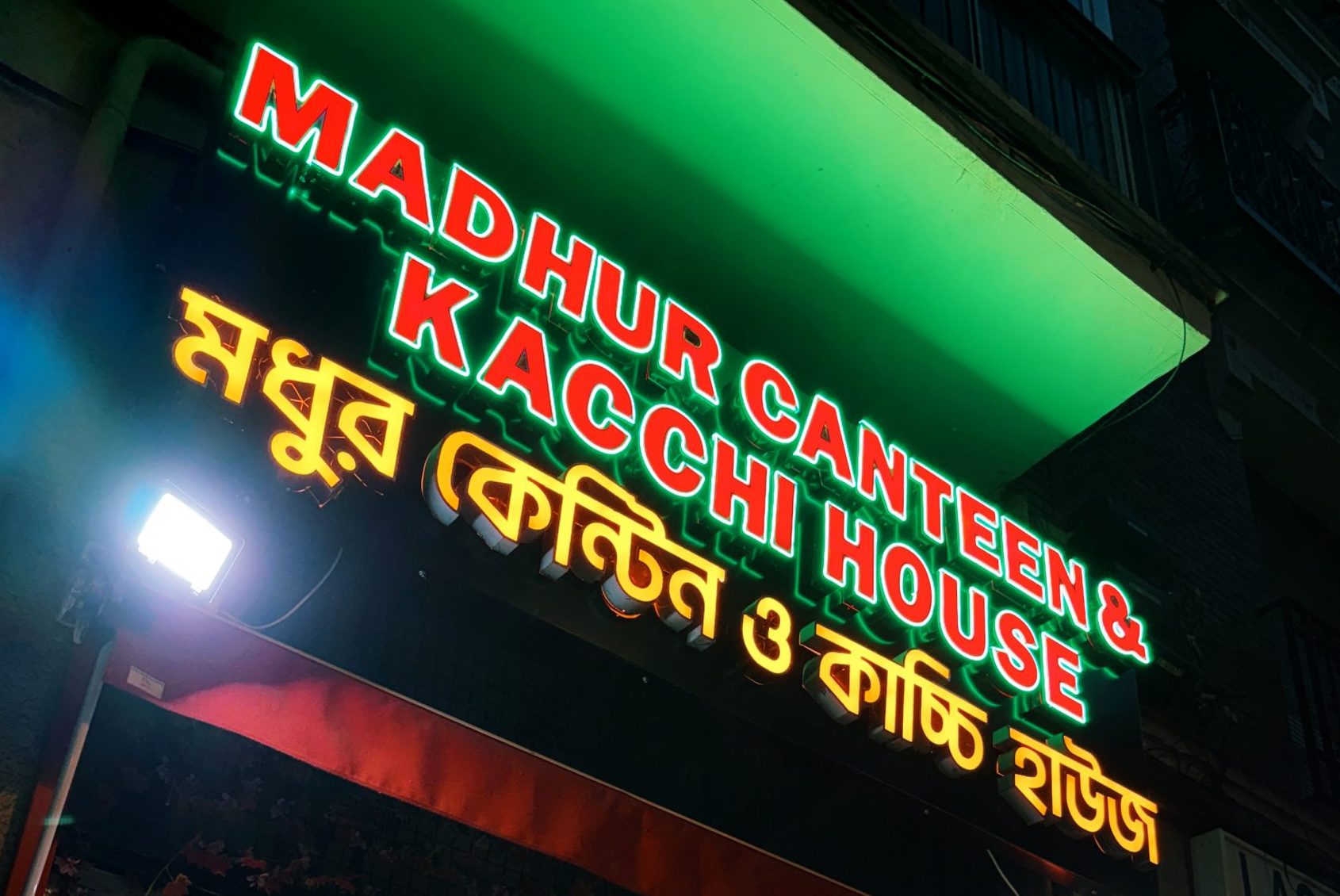
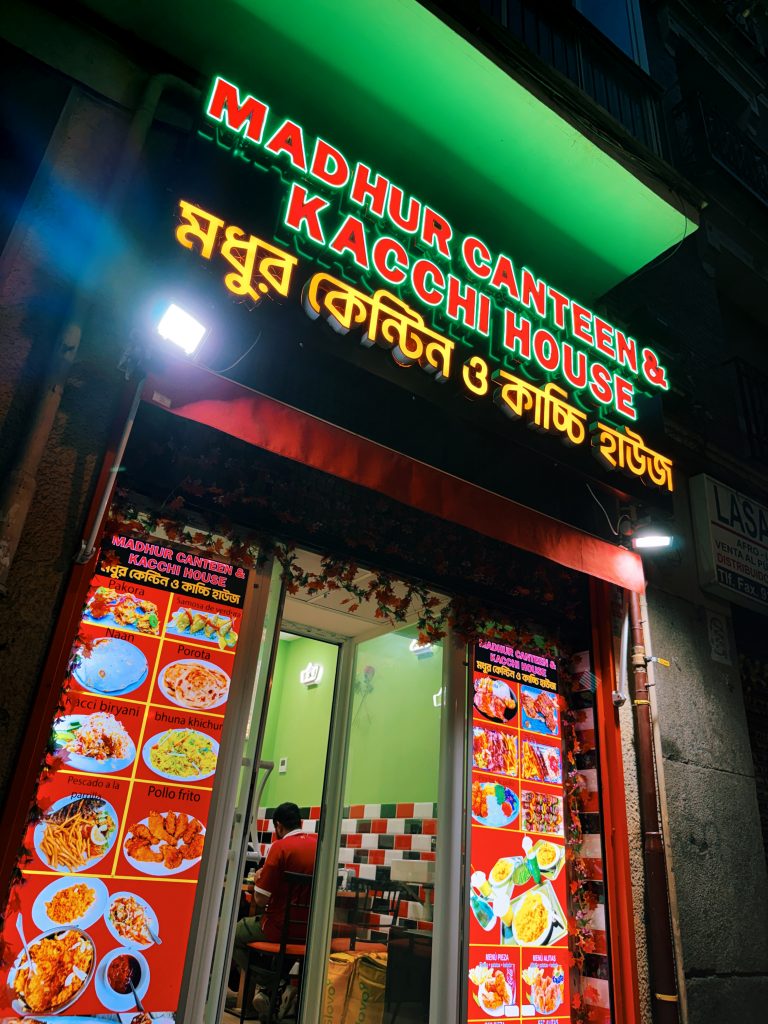
Gram Bangla Restaurant is a relative newcomer and serves authentic Bengali food while also offering a more upmarket dining experience. It’s also one of two Bangladeshi restaurants in Lavapiés that also has its name and menu in Bangla, and in its signage – the other is Madhur Canteen.
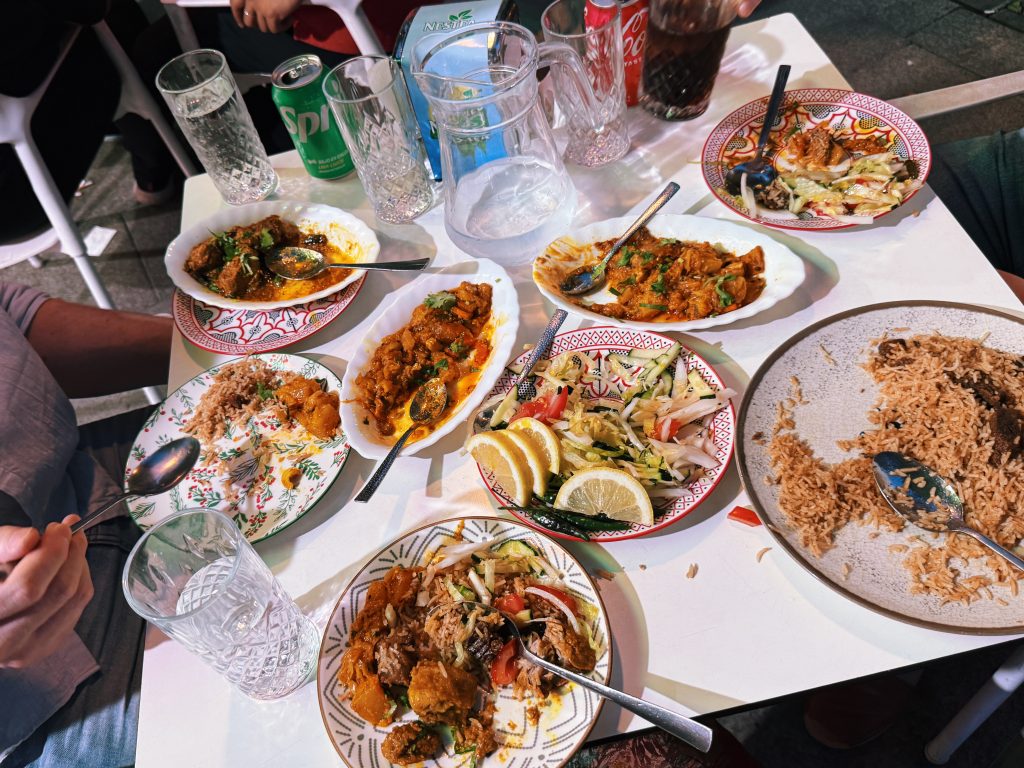
Madhur Canteen & Kacchi House is the newest kid on the block and the best Bengali food I’ve had in Madrid so far. Go straight for the Kacchi biryani, Bangladesh’s most celebrated rice dish, made by slow-cooking marinated raw mutton, rice, potatoes and spices together in a sealed pot. It comes out so tender, and comes with a side salad.
Always order the lamb curry wherever possible, but also go for the Singara, a light samosa filled with soft chicken. And the Muglai parota – an egg-filled pastry deep-fried and served chopped and garnished.
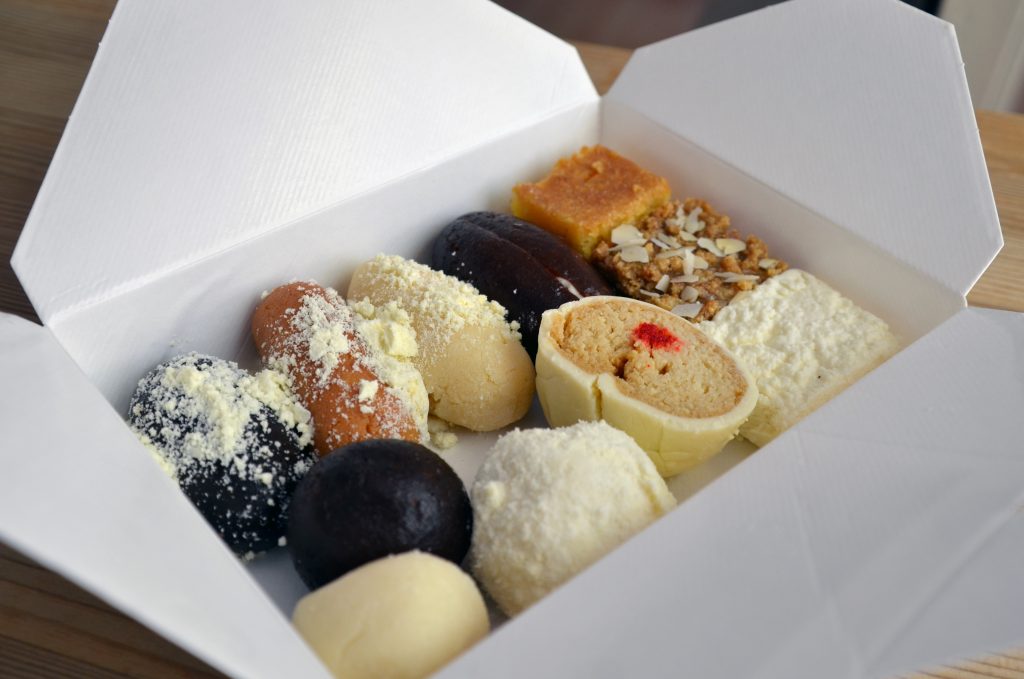
Safa’s Food & Sweets is named after the daughter of its Bangladeshi owners and is one of Lavapiés’ best destinations for Bengali snacks. The counter is packed with savoury favourites such as samosas, idlis and pakora, but the real draw is the sweets. With up to 18 varieties on display, sold individually (€1) or by the kilo (€14.50), Safa’s offers one of the most colourful and tempting selections in the neighbourhood.
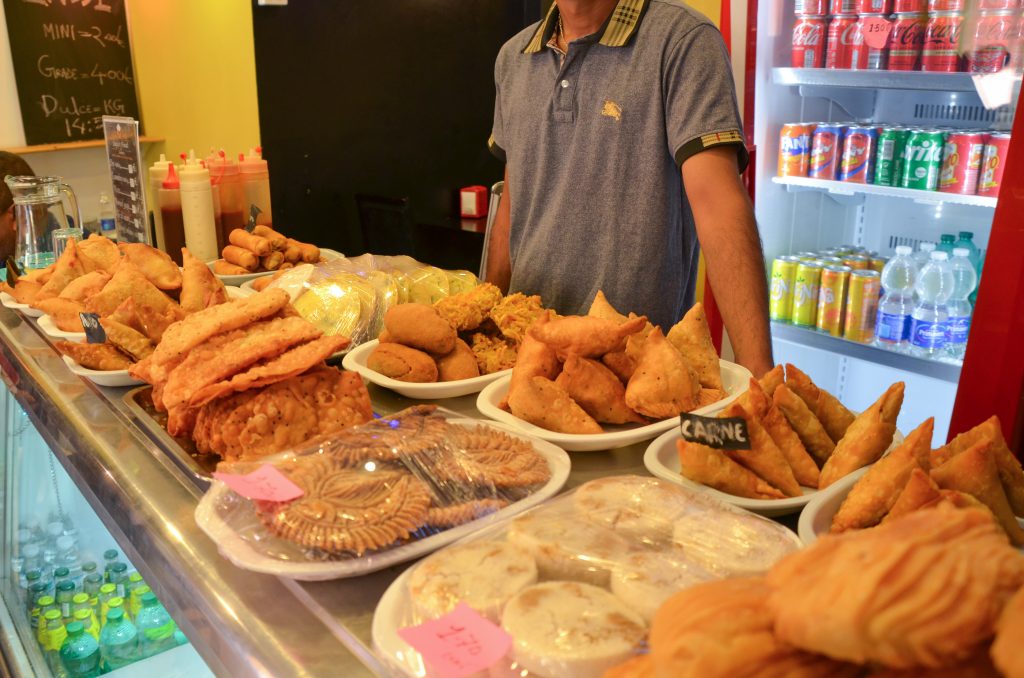
Bengali food in Lavapiés is cheap, no-frills, real and delicious and has long fed the community that built Madrid’s ‘Little Bangladesh’. The rest of the city is only just beginning to discover what it’s been missing all these years, and this is an exciting moment for Madrid.
SUPPORT THIS PLATFORM FROM €1 PER MONTH
You may have noticed that I don’t run ads, nor accept sponsors or investors. Independence is everything and what I decide to publish will not be influenced by those in a position of capital, privilege or power. Therefore, I invite only you to support this platform and only you to help me keep doing what I do. Thank you, Leah.
Support MNF for as little as €1 per month, which you can cancel at any time.
Leave a Comment