
Author & Photography: Alan Cohen
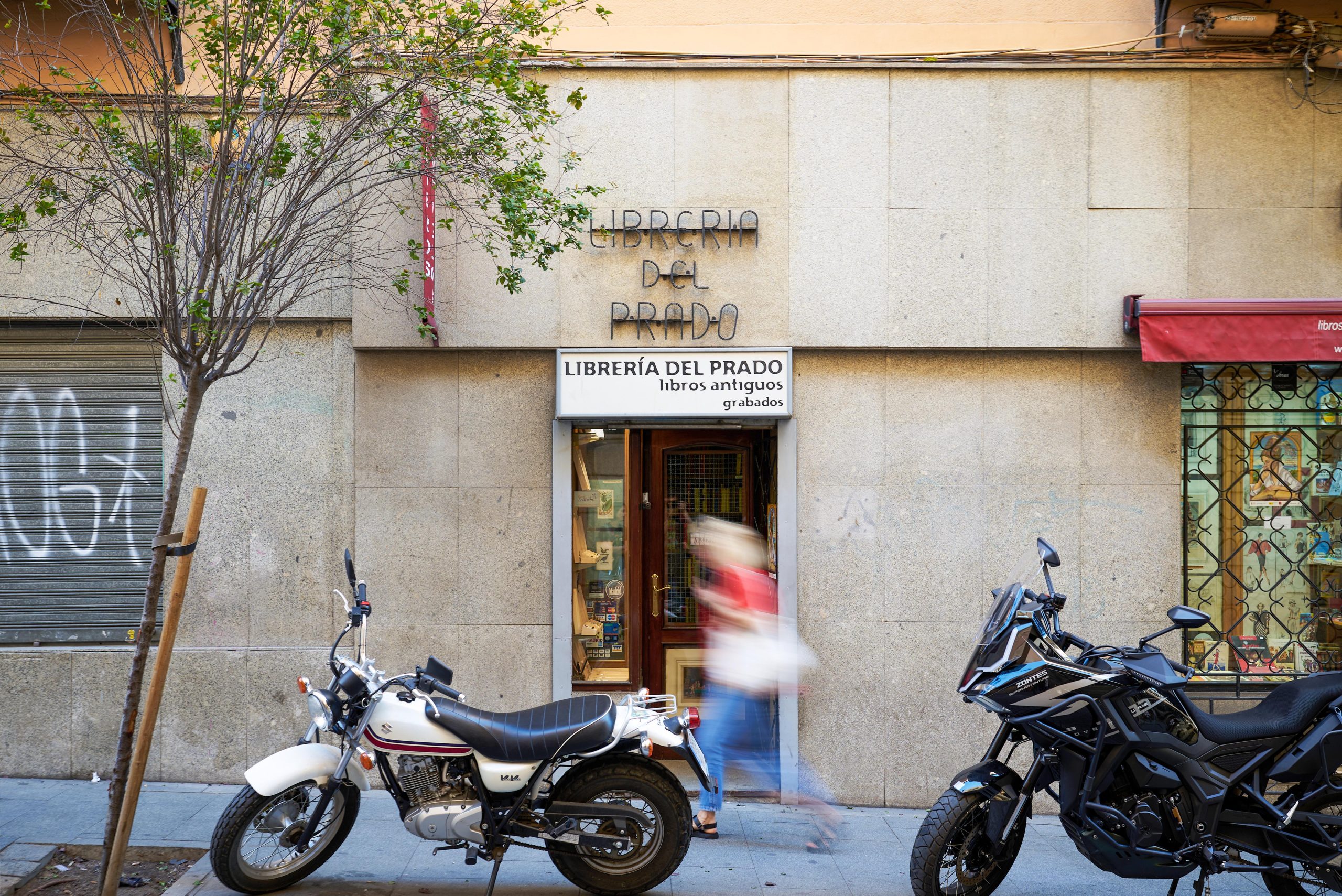
Born in 1942, the late José Blas Vega grew up navigating life in a very different Spain by reading books. He became a regular fixture in Madrid’s bookstore scene, until he decided to open his own: Librería del Prado, in Barrio de las Letras. Around the same time, he started becoming an esteemed flamenco producer and historian, earning him prizes and recognition across the country.
When he died in 2012, his two children María José and José Manuel took over his business, continuing in their father’s footsteps and selling a large variety of antique and rare books. They are also known in the neighborhood for organizing Madrid’s largest antique book fair, which attracts thousands of visitors each year and which Blas Vega also founded half a century ago.
The small establishment at Calle del Prado, 5 has been various bookstores since the 1950s. His daughter María José explains, “Someone would set up shop, sell books, retire and pass it on to a different bookseller. There were around three different owners before him.” Until Blas Vega’s passing, he had a lifelong passion for collecting and selling rare and old books, which his children inherited. “Part of our success is that we keep that passion alive,” José Manuel explains.
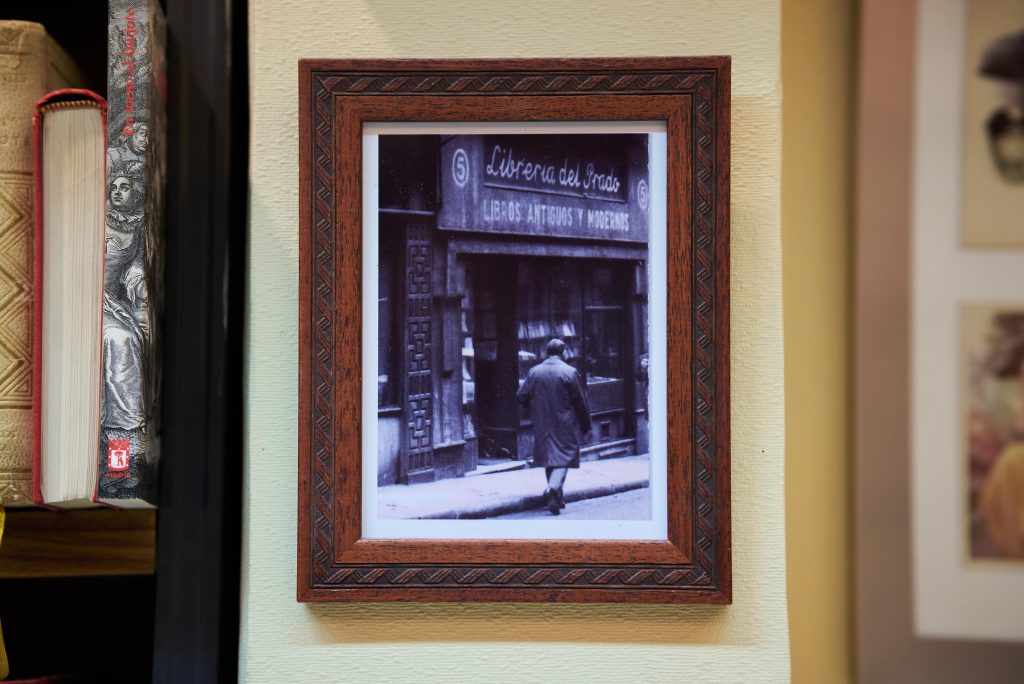
It all started in the Rastro. From a very early age, Blas Vega would spend hours there every Sunday morning, sifting through boxes of old postcards, stamps and other antique items, with a special focus on books. “From dawn to dusk, I remember seeing him always reading and researching,” says María José. “He was always a huge fan of culture.”
From the 1960s until the 1980s, Vega’s early passion for flamenco music saw him working with musicians from all around Spain, at a time when the genre was slowly transforming into a more widespread, nationwide phenomenon. He worked as a freelance producer for Hispavox, a record label founded in 1953 that is now owned by Warner Music Group. Many who know him from his artistic work still visit his children at the bookstore to say hello, according to María José. “Flamenco was a big part of who he was, he didn’t even see it as a job”, she said.
Blas Vega was also among the first to formally study and write about flamenco and coauthored the Illustrated Encyclopedic Dictionary of Flamenco, one of the first and most extensive documentations of the genre. He is still a highly respected flamencologist more than 30 years later.
For decades he kept collecting and selling rare books and other antique items, and knew off by heart where every single title was placed. “He belonged to a generation of old-school booksellers that is no longer common,” says María José. “He memorized everything and knew all of the details.”
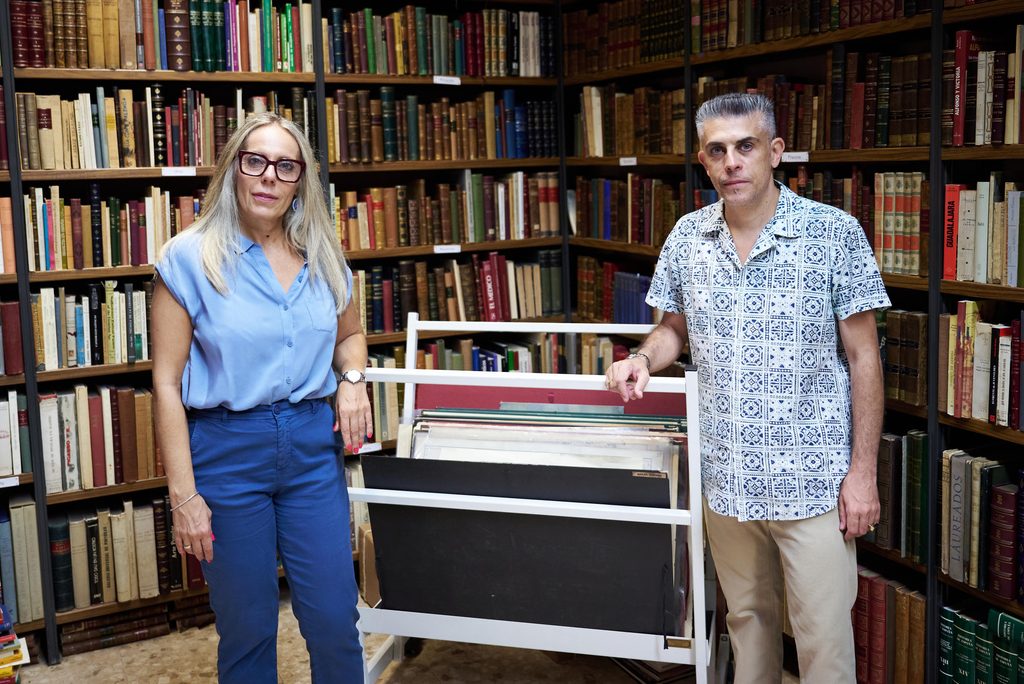
Blas Vega’s children didn’t immediately plan to follow in their father’s footsteps, but still ended up inheriting his passion for rare books. María José had originally planned to work in computer science, but instead joined the business in the late 1990s. José Manuel followed a few years later after completing his vocational training in administrative work, a key skill he brings to the book shop.
“At first, it was a family thing. We sporadically helped our father out while we were studying, but slowly books became part of who we were,” María José said. “Our house was always full of books, there were books in every single room. In the end, life just led us here.”
Technological developments, especially the internet, have somewhat changed the way they work, even if the core products and mission of the bookstore remain the same. Nonetheless, they still use their memory and agility every day, just like their father did. “A customer might ask me to look up a title on my computer, but it might be easier just to find it by heart. You end up knowing exactly where you store it and how much it cost you,” María José explains.
Since entering the profession, she has also become an expert on Aguilar, a book publisher founded in 1923 which went bankrupt in the 1980s and is now owned by Penguin Random House. After extensive research, she published a comprehensive book on the history of Aguilar in 2012, and Librería del Prado is now one of the only spots in Spain to find the publisher’s oldest and rarest titles.
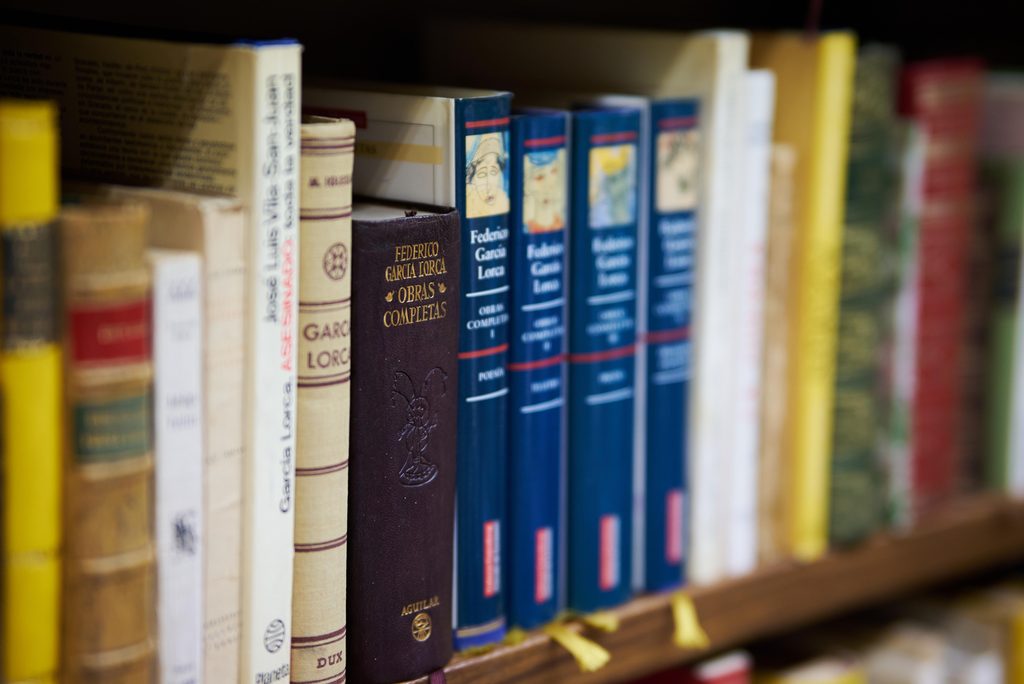
Apart from the Aguilar niche – which the bookstore dedicates almost an entire wall to – the brother and sister specialize in selling 19th and 20th century literature from Spain and Latin America, cooking, bullfighting, and of course, flamenco books, among other genres. And although their main product is rare books, they also sell collectors’ prints, postcards, maps and engravings.
Barrio de las Letras, the neighbourhood that houses Blas Vega’s bookstore, owes its name to the literary heritage of writers like Cervantes, Lope de Vega, Quevedo and Góngora, all of whom lived in the area in the 1500s and 1600s. Just last century, there were dozens of independent bookstores in the neighbourhood, many of them specializing in rare books, but rising property costs and disruptions in the book market have forced most to disappear.
“Even though anyone can sell books online, people who enjoy books and bookstores still visit us regularly,” says María Jose. The business owes most of its success to a group of loyal buyers who seek the knowledge and connection that online shops can’t provide. “Thankfully, we are well established and have a customer base, but it’s more competitive than before.”
The pair not only inherited a small business they are passionate about, but also the responsibility of organising the yearly rare-book fair on Calle Recoletos, which their father started with other booksellers in the 1970s. María Jose sees the fair as crucial to the future of rare books not only as a meeting place for collectors, bibliophiles and sellers, but also as a way to support people new to rare books or looking to build home libraries. “It’s about creating community too.”
SUPPORT THIS PLATFORM
You may have noticed that I don’t run ads, nor accept sponsors or investors. Independence is everything and what I decide to publish will not be influenced by those in a position of capital, privilege or power. Therefore, I invite only you to support this platform and only you to help us keep doing what we do. Support MNF for as little as €1 per month, which you can cancel at any time.
Leave a Comment