
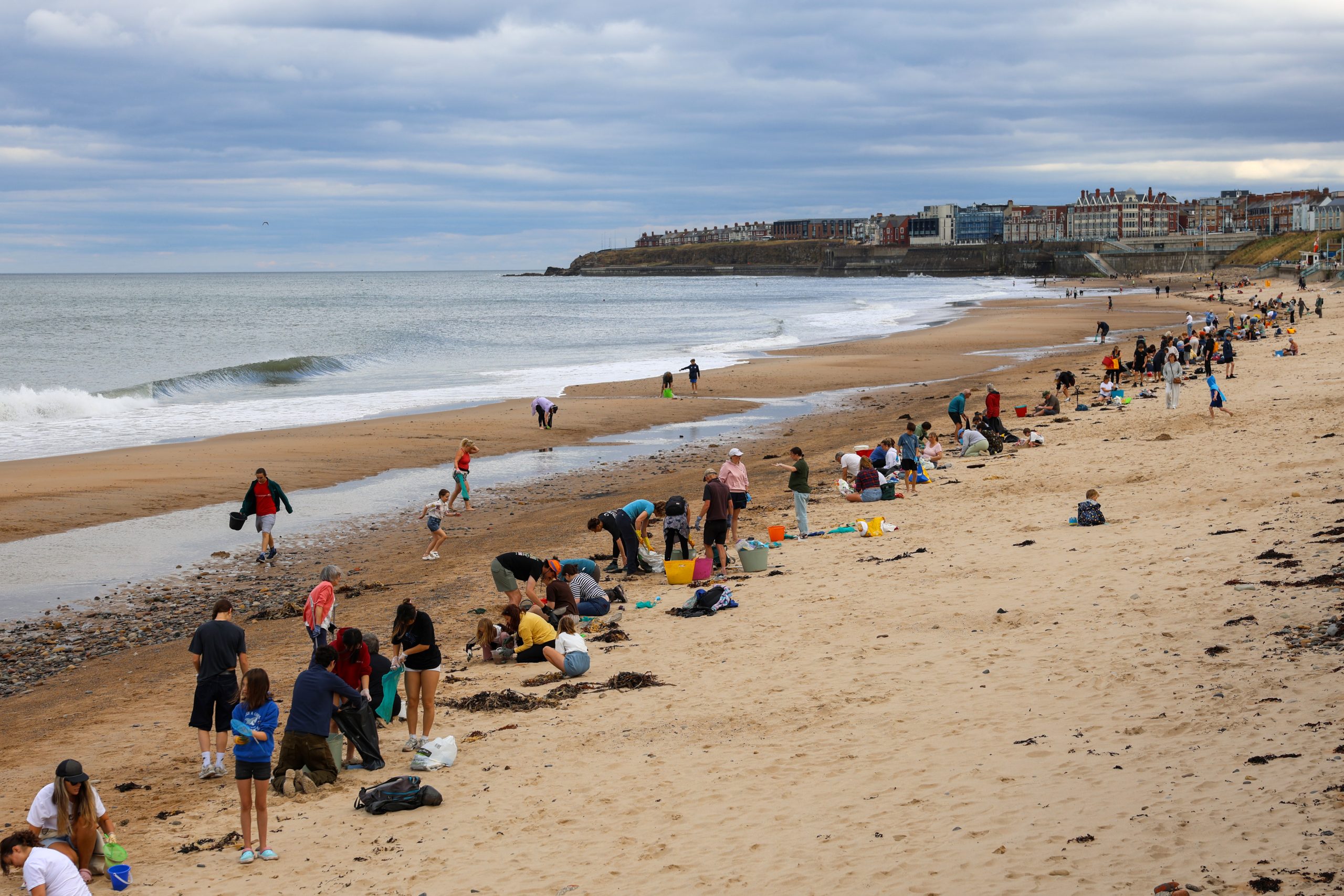
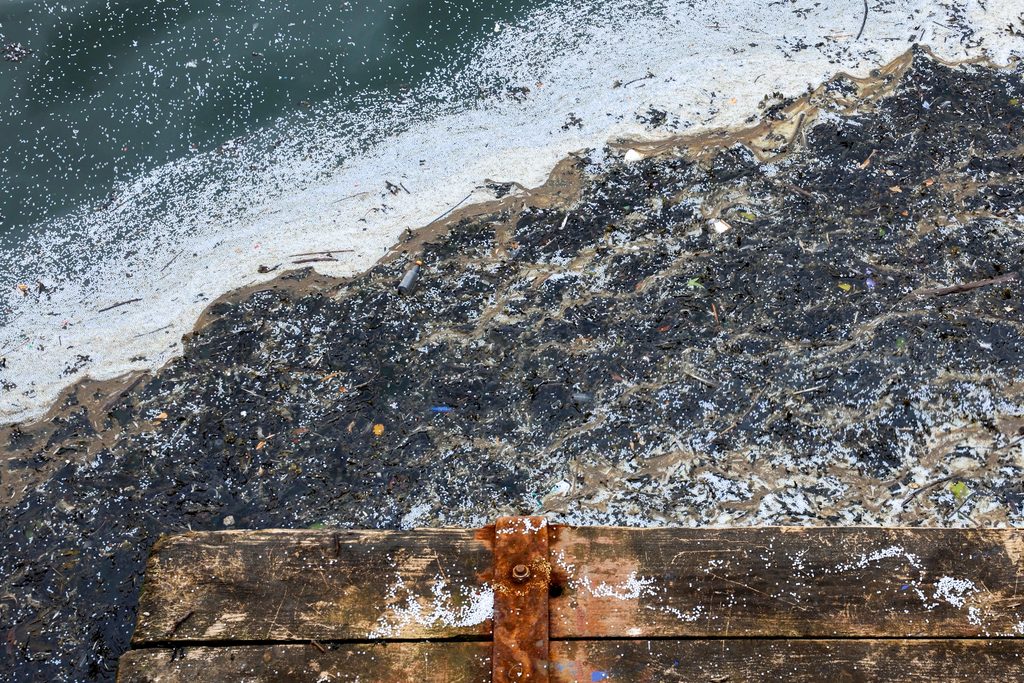
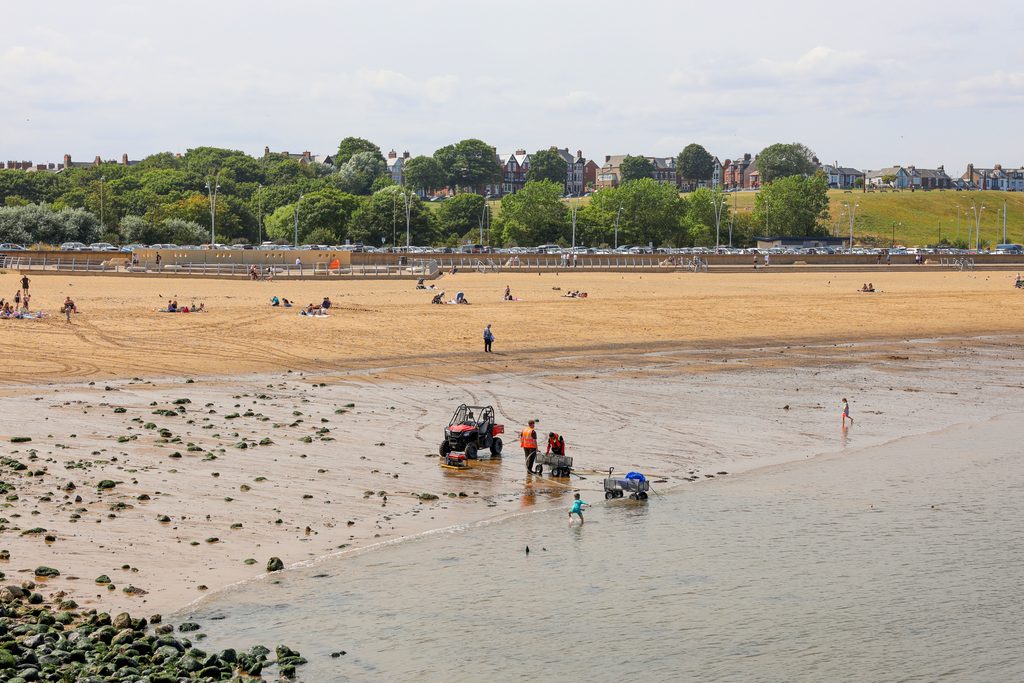
I arrived back in Newcastle, my home city, the day before a two-ship collision in my local port, on the River Tyne. Just a few days later, I found our local beach blanketed in a snow of tiny white plastic pellets, so I grabbed my camera and started documenting what had happened. What began as a photographic record of a historic pollution spill quickly became something much bigger: an archive of an unprecedented grassroots community response involving thousands of residents.
A record 17 tonnes of plastic pellets spilled into the River Tyne as volunteers scrambled to clean them up. Meanwhile, official clean-up response has been scaled back and pellets are now being found on the Yorkshire coast, 60 miles away.
Author: Leah Pattem / Photography: Leah Pattem, Tessa Bunney & Laura Moscrop
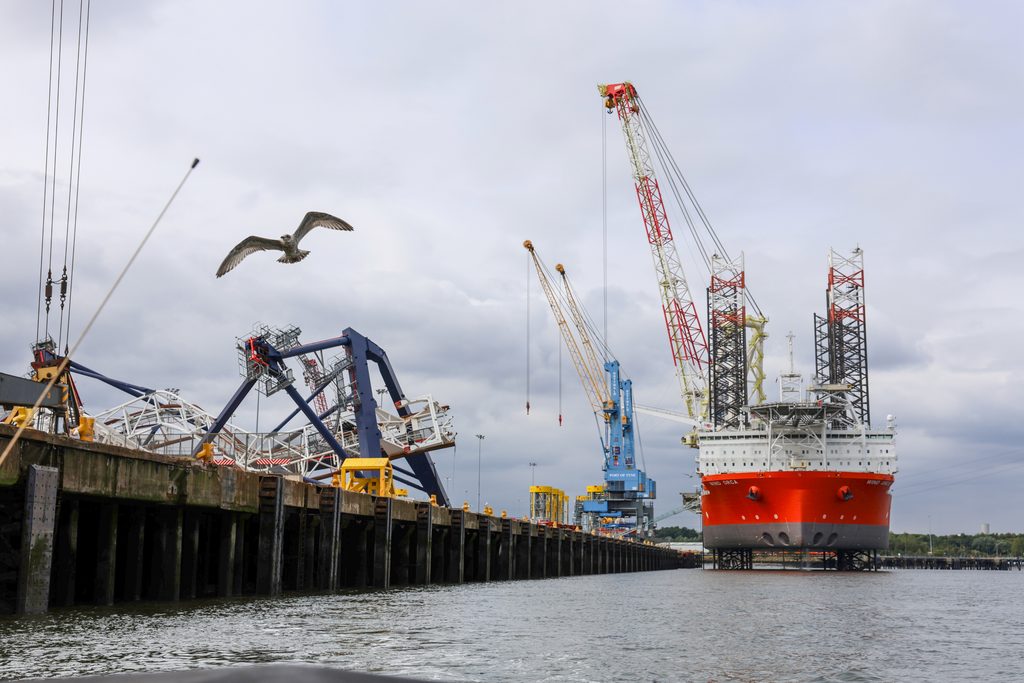
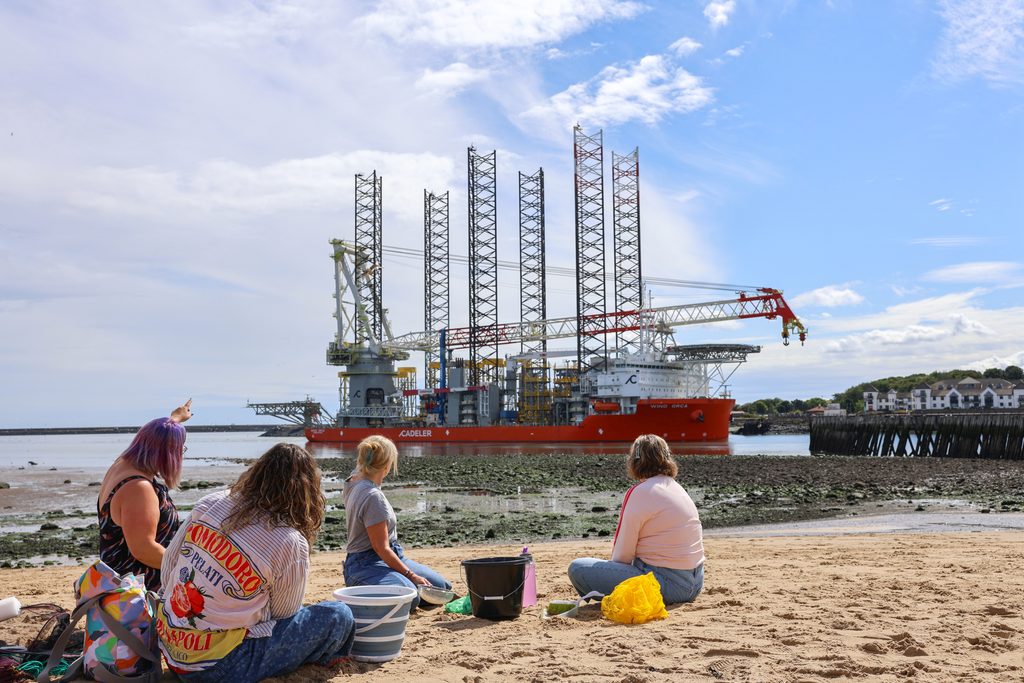
On 19 July, beneath a clear summer sky on England’s North East coast, the offshore wind installation vessel, Wind Orca, was pulling away from its docked position when it accidentally struck the berthed container ship BG Orange. As the vessel scraped along the side of the cargo ship, it clipped a 100ft gantry crane on the wharf, twisting the 750-tonne structure until it collapsed and folded in on itself. The crane operator plunged to the ground inside the cab, suffering broken bones, but survived in what colleagues later described as a miracle.
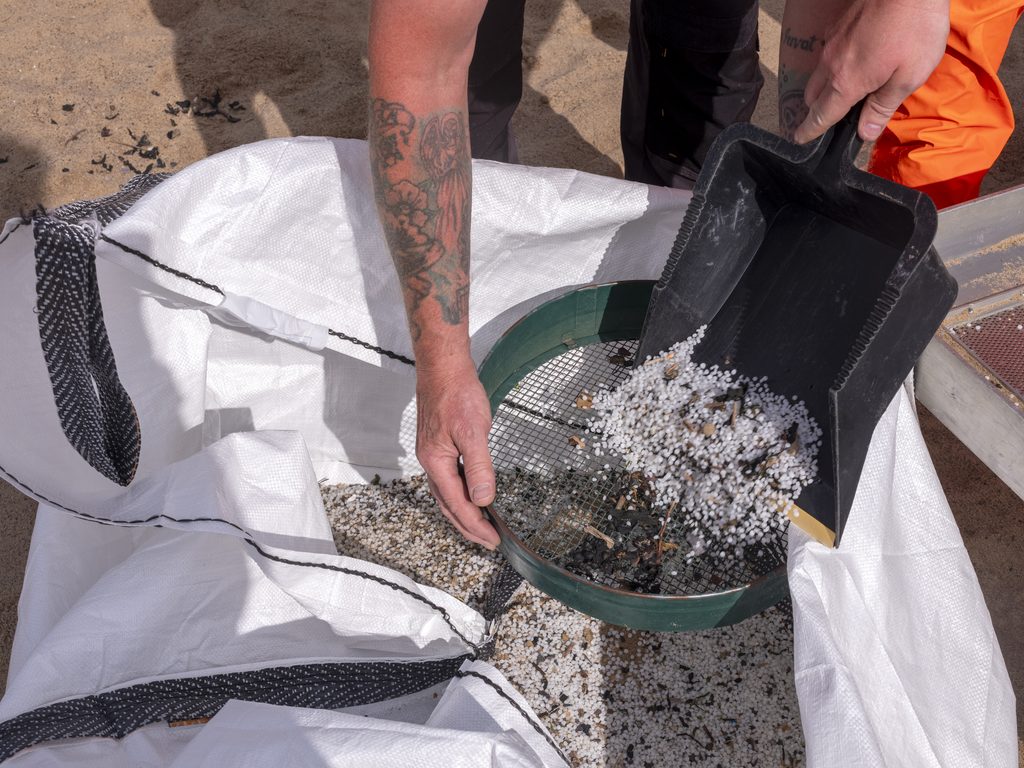
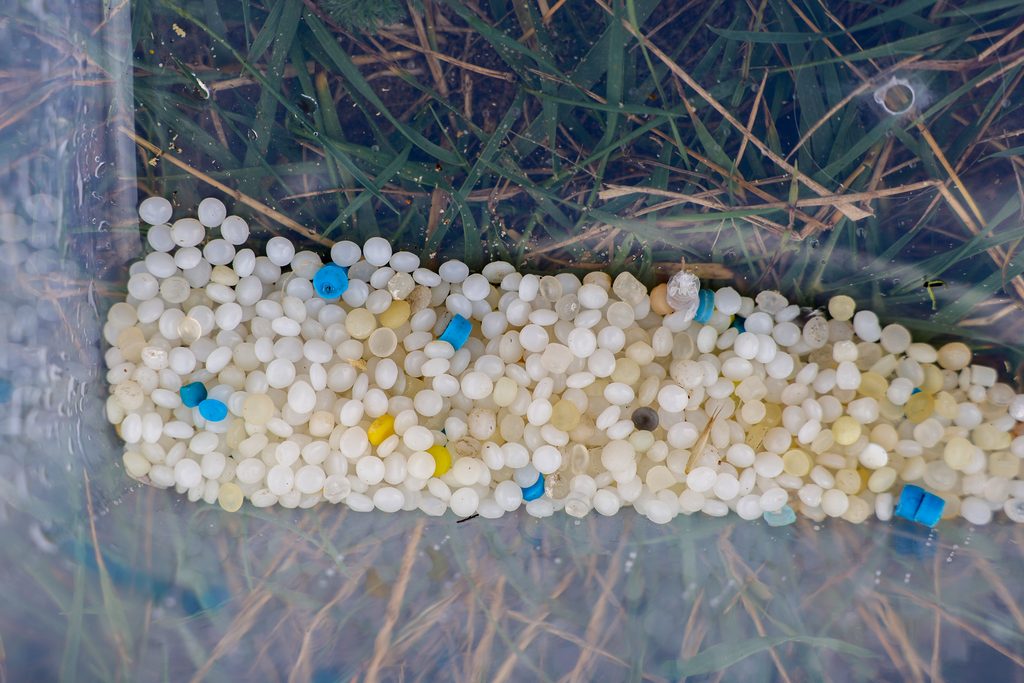
In the same movement, the collision ruptured a container filled with plastic pellets (also known as nurdles) – tiny white lentil-sized beads of plastic. Approximately one billion fell into the Tyne, a vast tidal river in North East England, in just five seconds. By the following morning, the tide had begun carrying the pellets downstream, where the sea would pull them steadily north and south along the English coastline.
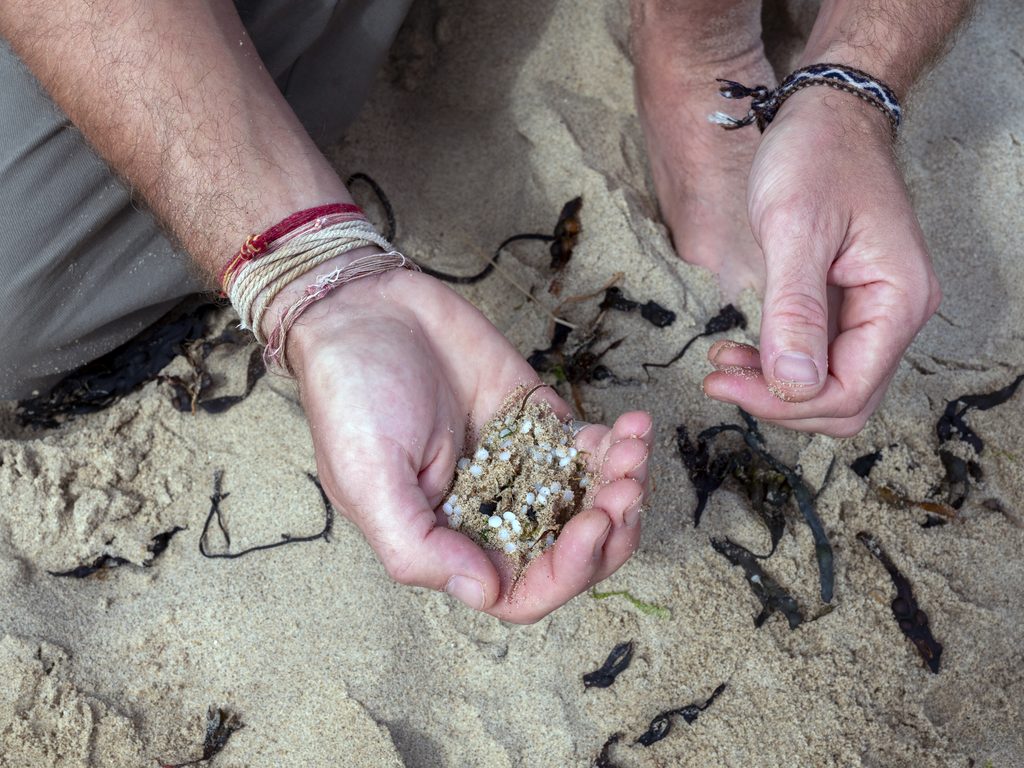
Nurdles are transportable plastics made for melting down and moulding into products, such as bottles, medical equipment or car parts. Although chemically inert, they quickly pose a hazard if released into the environment. Birds, fish and marine mammals frequently mistake them for food, filling their stomachs with indigestible plastic that can cause starvation or internal injury. The pellets can persist in the sea for decades, gradually fragmenting into microplastics while absorbing toxic chemicals from seawater.
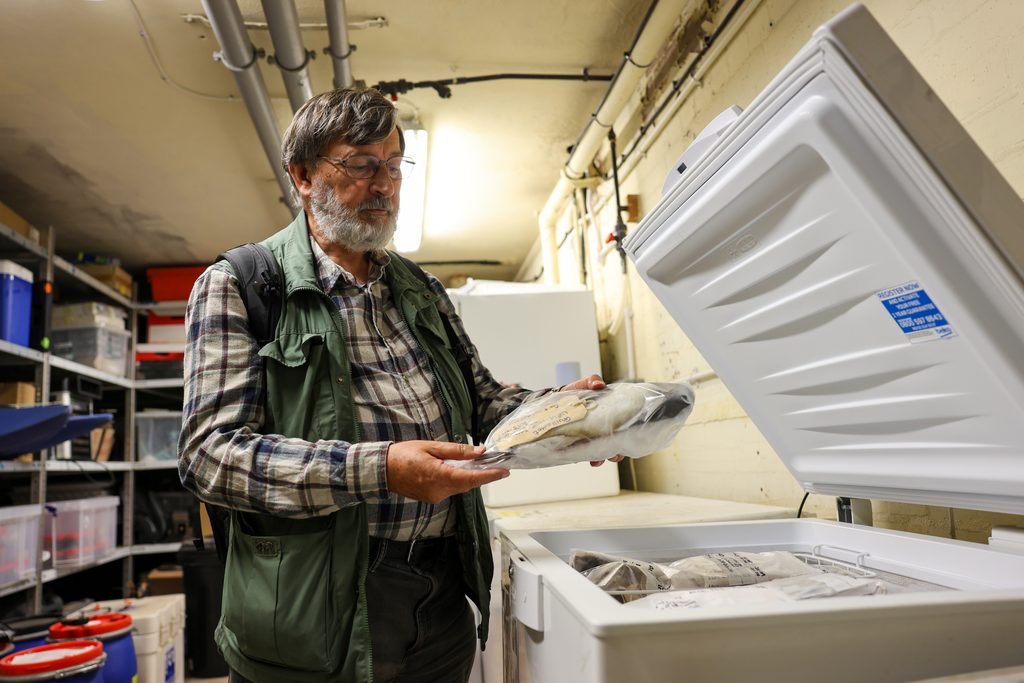
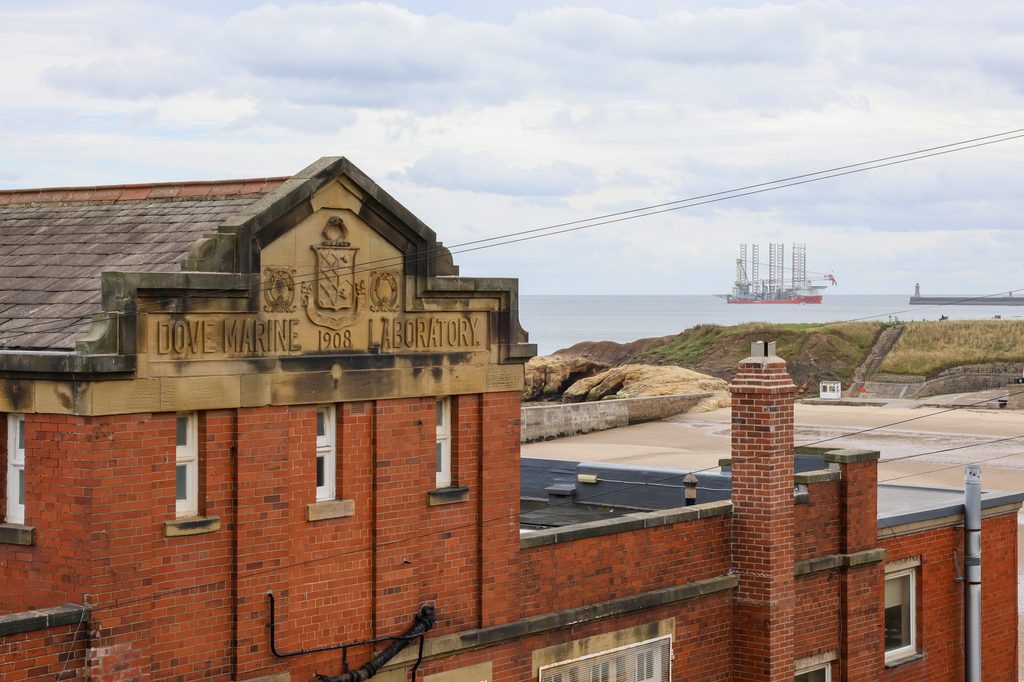
Dan Turner, a keen ornithologist and seabird researcher has spent the past few weeks collecting seabird carcasses found by members of the local community and storing them at the Dove Marine Laboratory on Cullercoats Bay, where they will later undergo necropsies. He hopes the birds’ stomachs will not be found to contain nurdles, and that their deaths are unrelated to the spill. But with plastic pellets continuing to wash ashore, there is potential for an ecological impact in both the short and long-term picture.
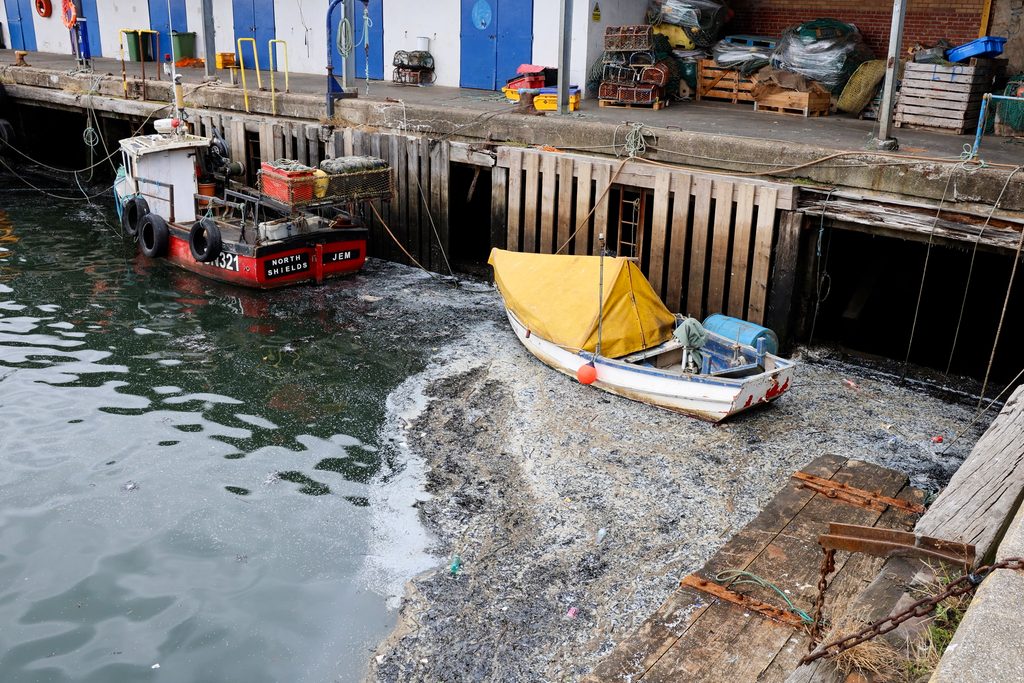
For generations, the River Tyne has been a symbol of Britain’s industrial power, and in recent years it has become a renowned fishing destination. This home to around 18 species of fish must now contend with a billion tiny pieces of plastic, which may never go away. But despite the collision being declared a major incident, the spillage was not declared a major pollution incident until weeks after the spill.
It wasn’t until three days after the spill, on 22 July, that the Port of Tyne placed a barrier around the damaged ship, by which time the spilled pellets were already travelling along the coastline. The Port said it had been advised by various bodies, including the Environment Agency, the Fire Service and the Maritime and Coastguard Agency that “immediate action was not necessary as the product was confirmed to be non-toxic.”
At the same time, the public were being advised by the council against collecting pellets – despite them being inert. This left volunteers feeling as though they had to break the rules to do the right thing.
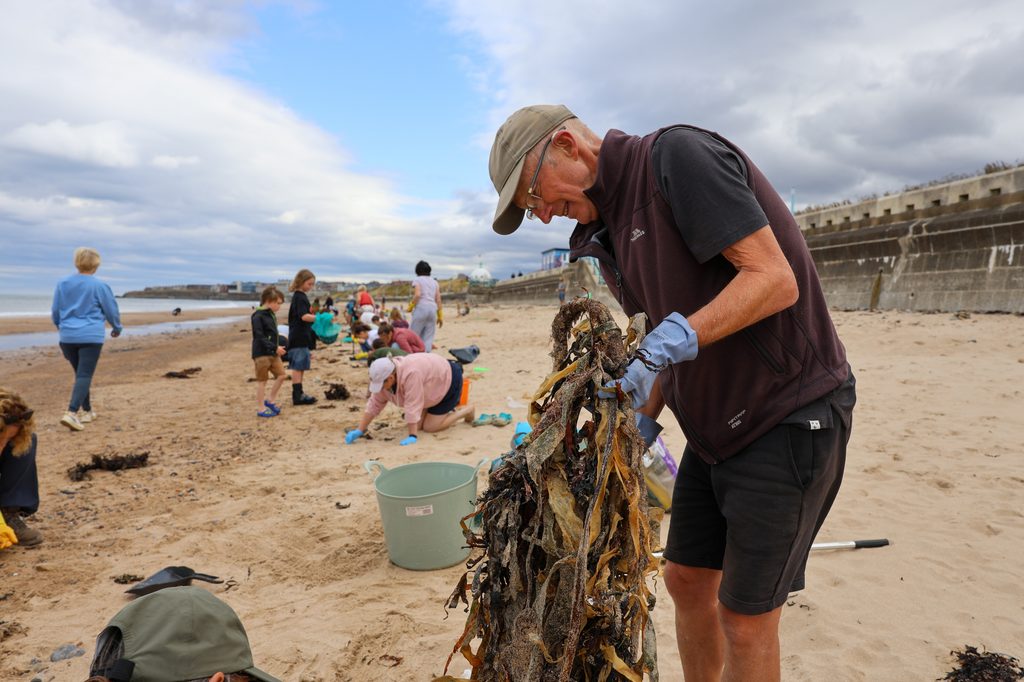
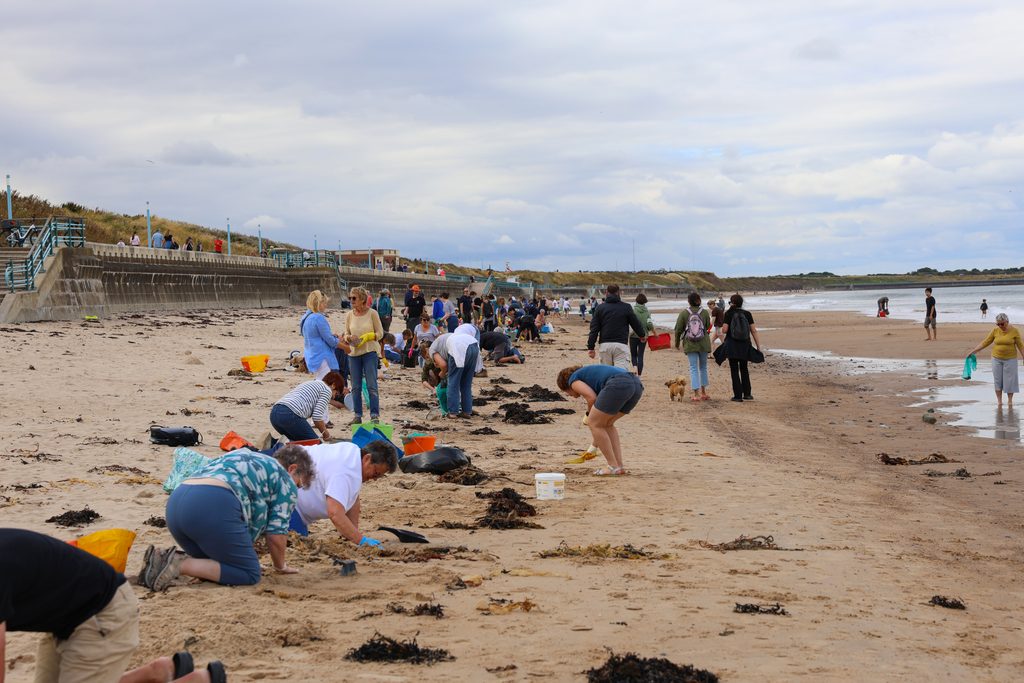
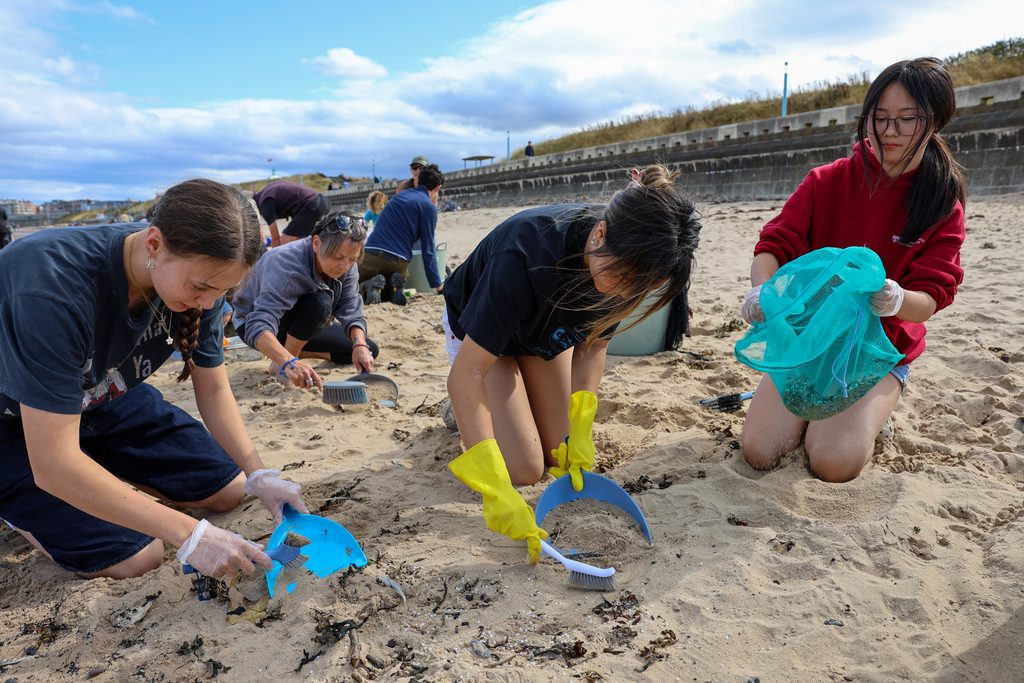
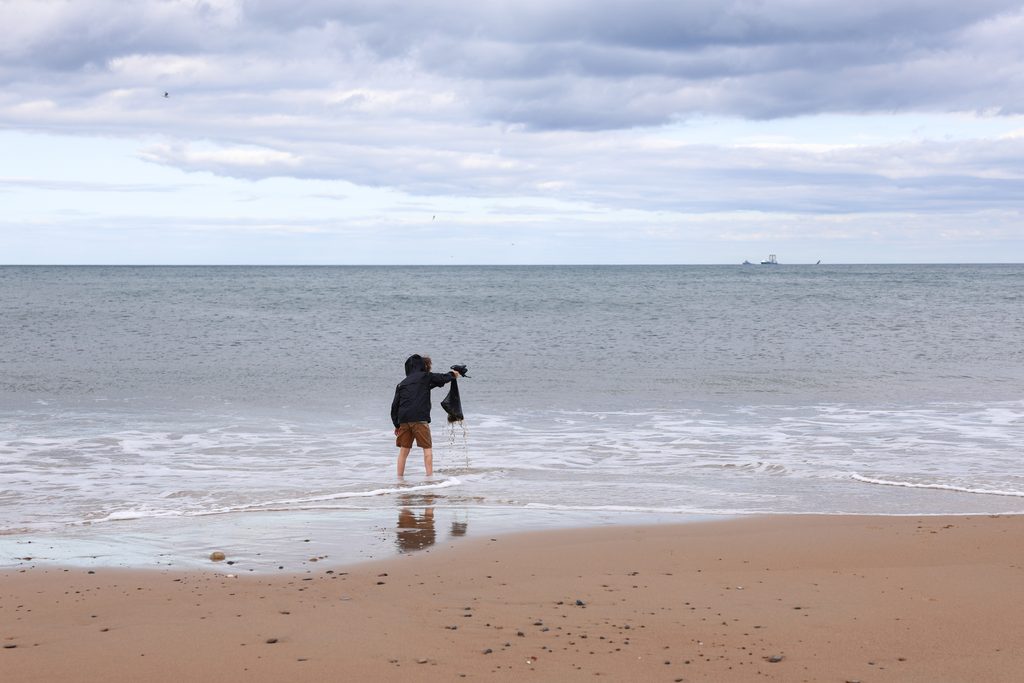
Just like in Galicia in December 2023, following a 25-tonne spill of plastic pellets on the north-west shores of Spain, the local community response has been enormous, and has quickly evolved into a coordinated volunteer operation stretching across the North East coast of England.
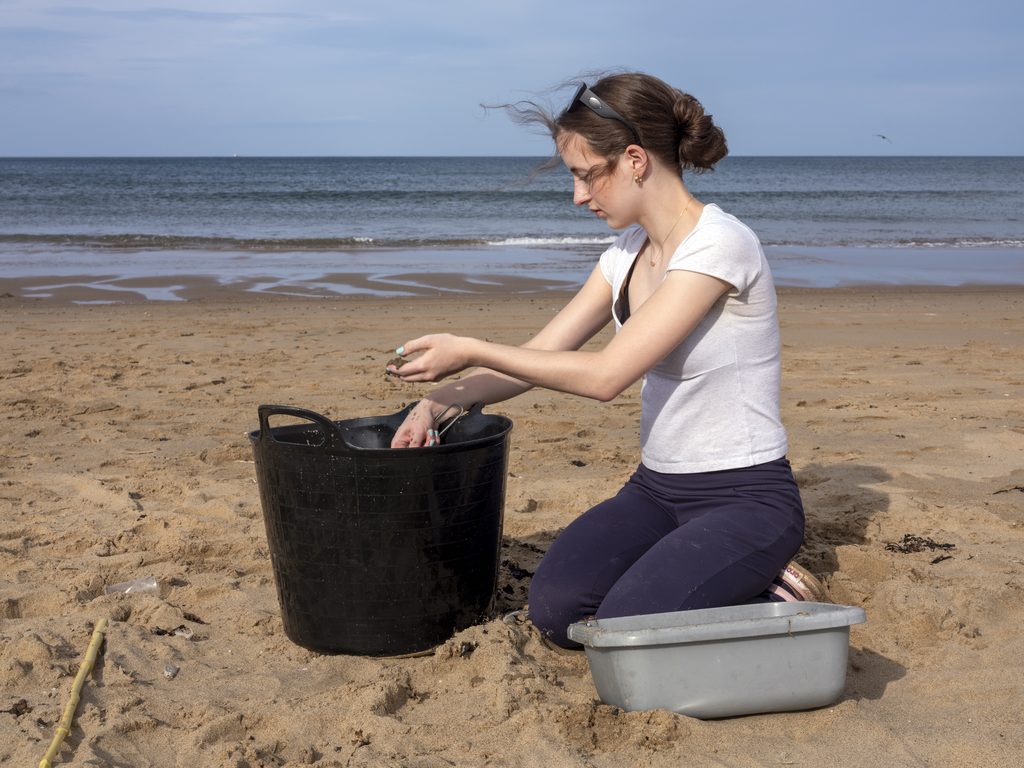
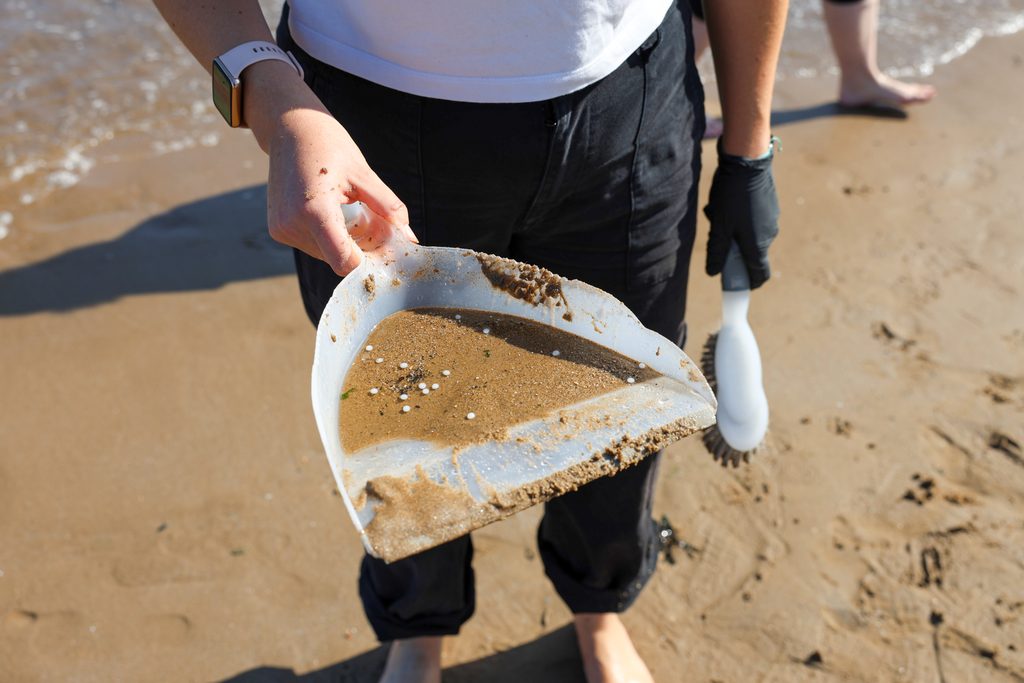
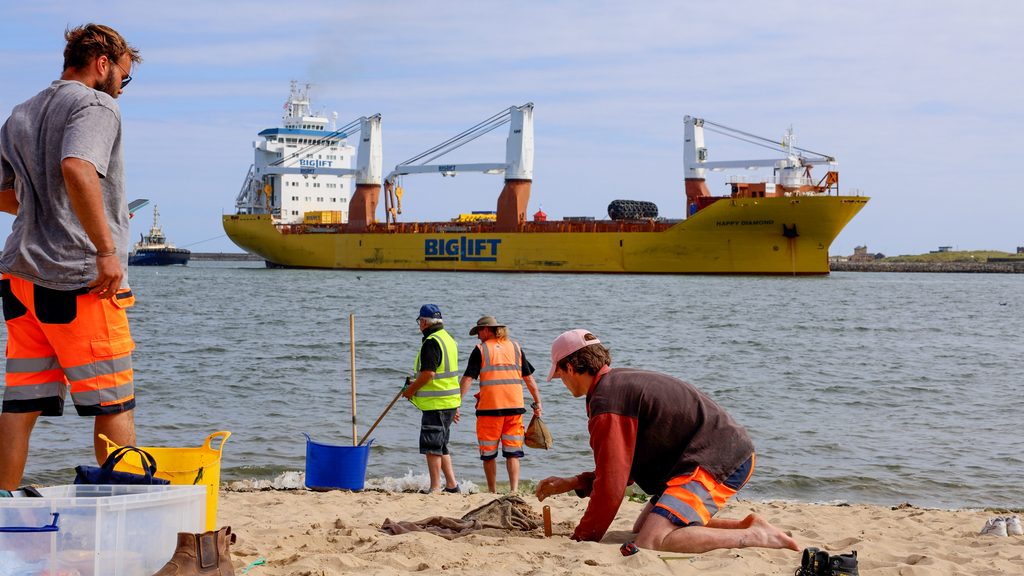
For months, volunteer nurdle pickers have been a constant presence across almost 20 beaches, painstakingly collecting pellets from the surface of dry sand and sifting through the sand to retrieve those buried inches below. The community have now logged more than 6,000 clean-up hours and collected over half a tonne of pellets.
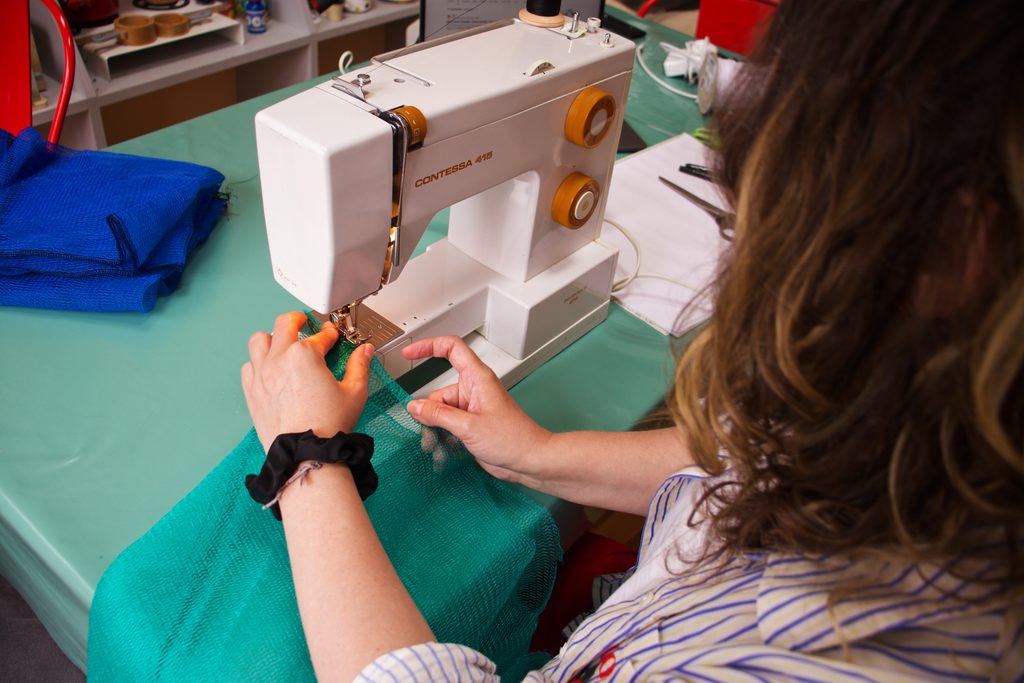
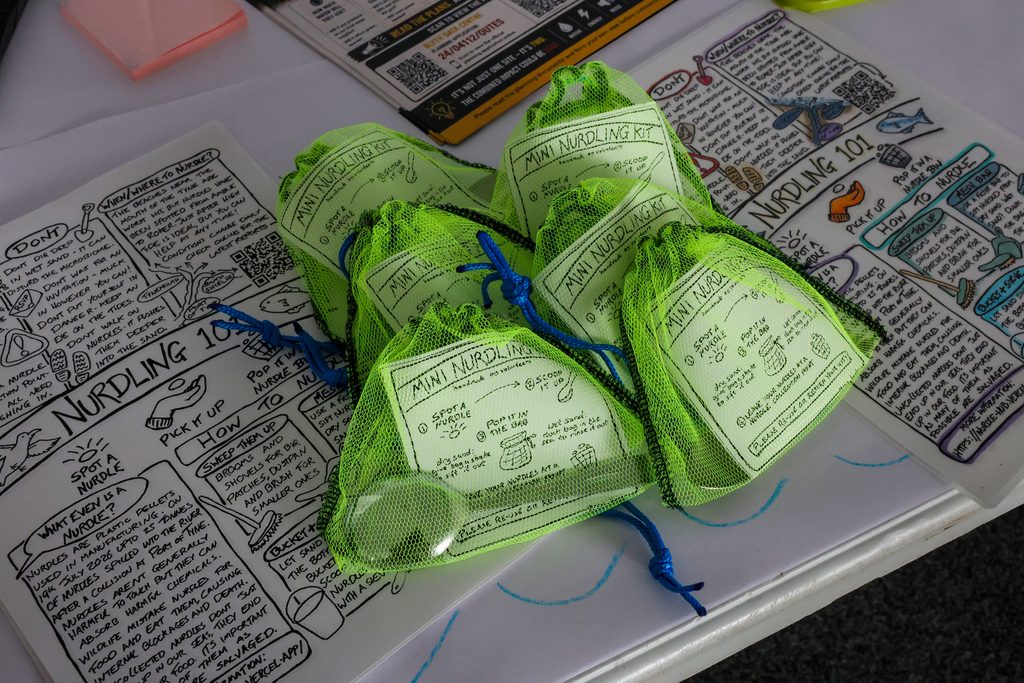
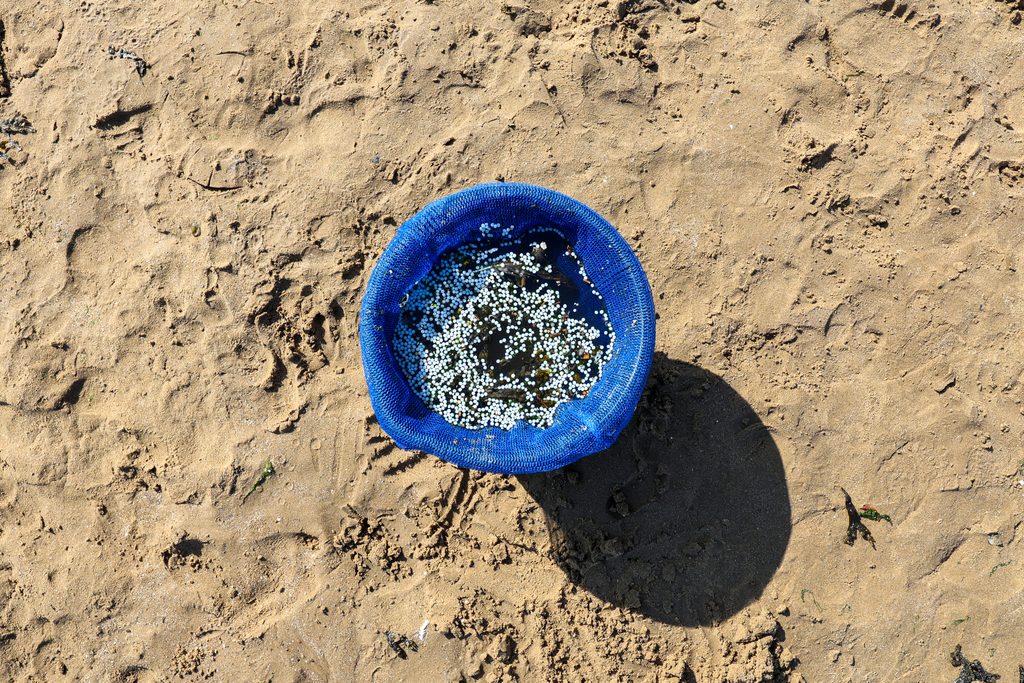
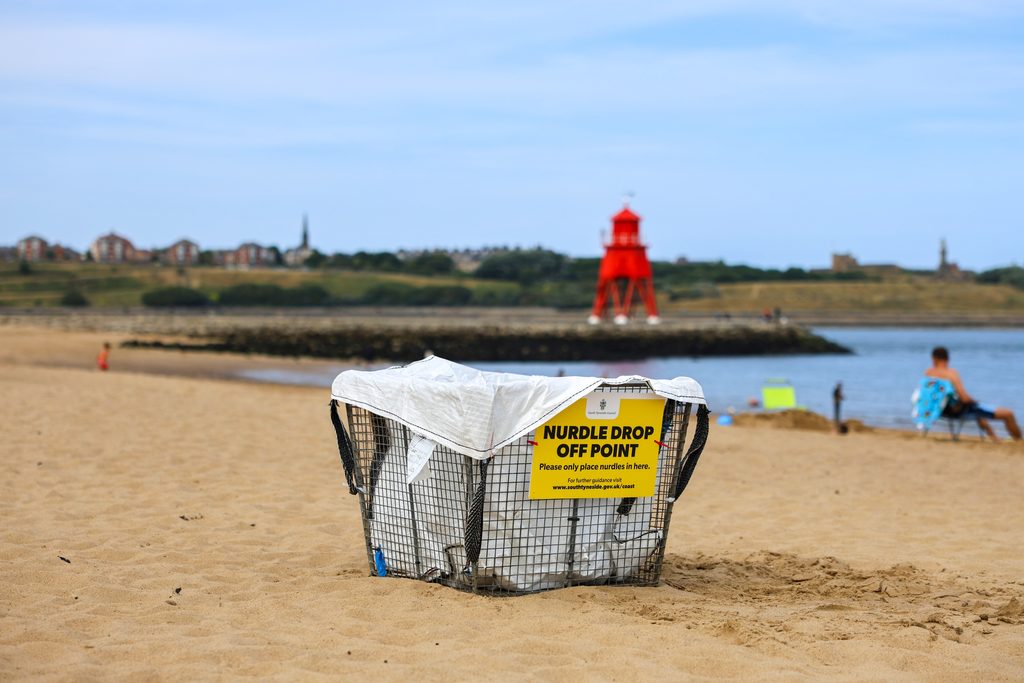
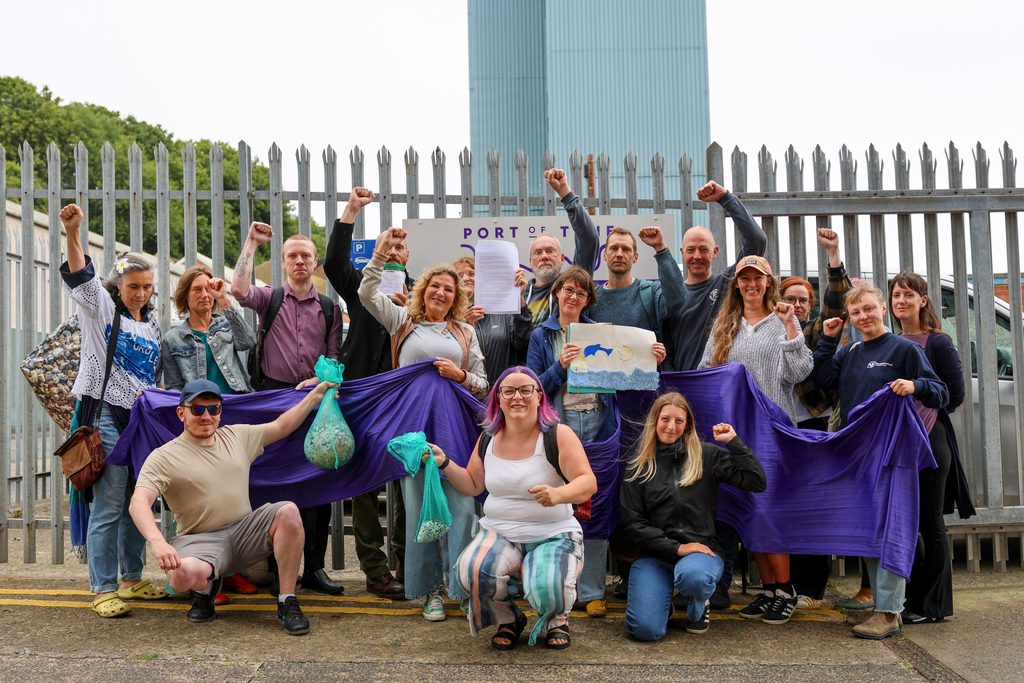
To assist with the volunteer clean-up efforts, a team of seamstresses have designed and produced more than 500 reusable mesh collection bags, mini kits and shareable sewing designs, enabling thousands of people to safely collect the tiny plastic pellets. A network of community equipment hubs has also been established by the community, where members of the public can collect sieves, spades, mesh bags, buckets and trugs before heading to the beach to do some ‘nurdling’.
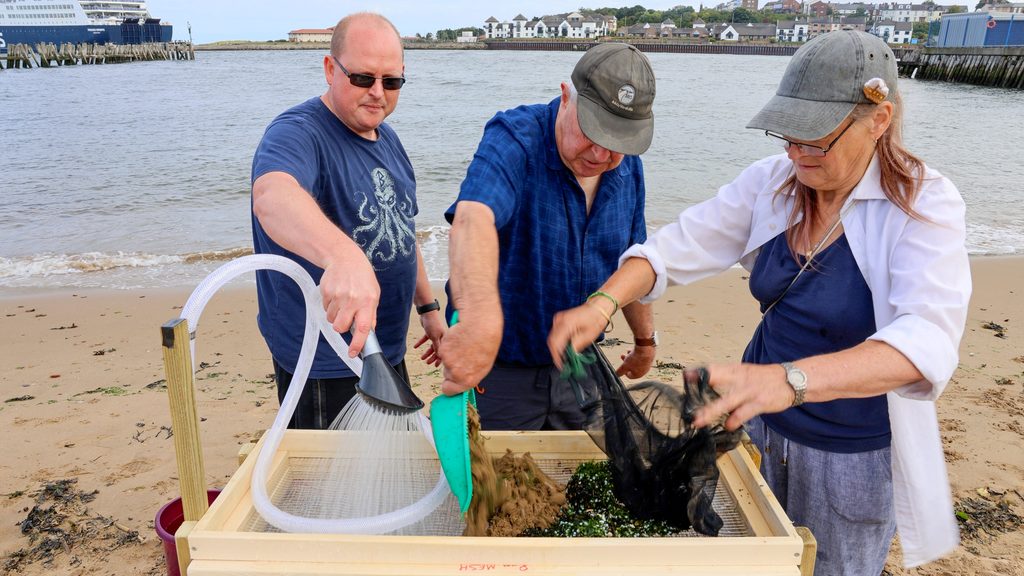
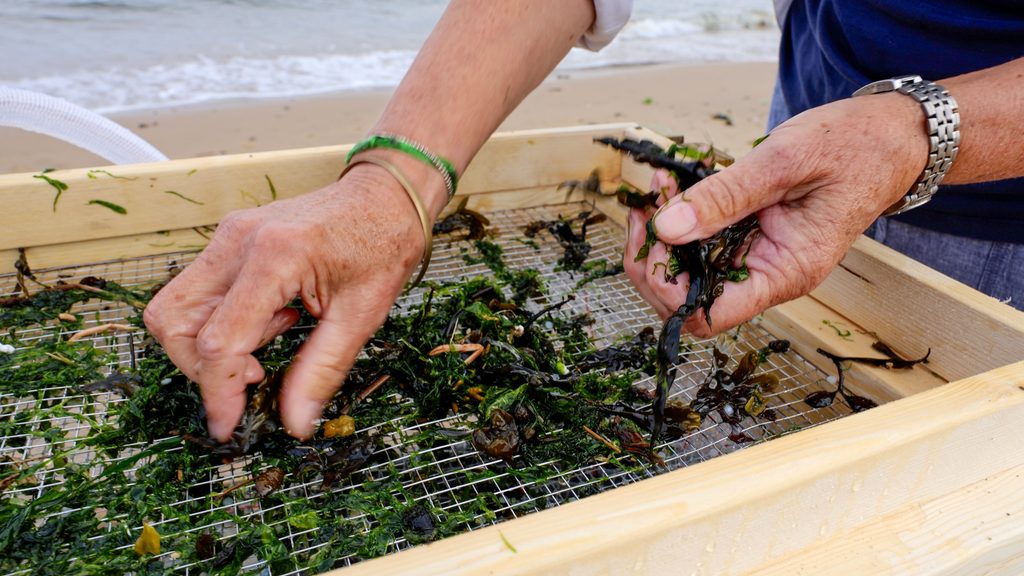
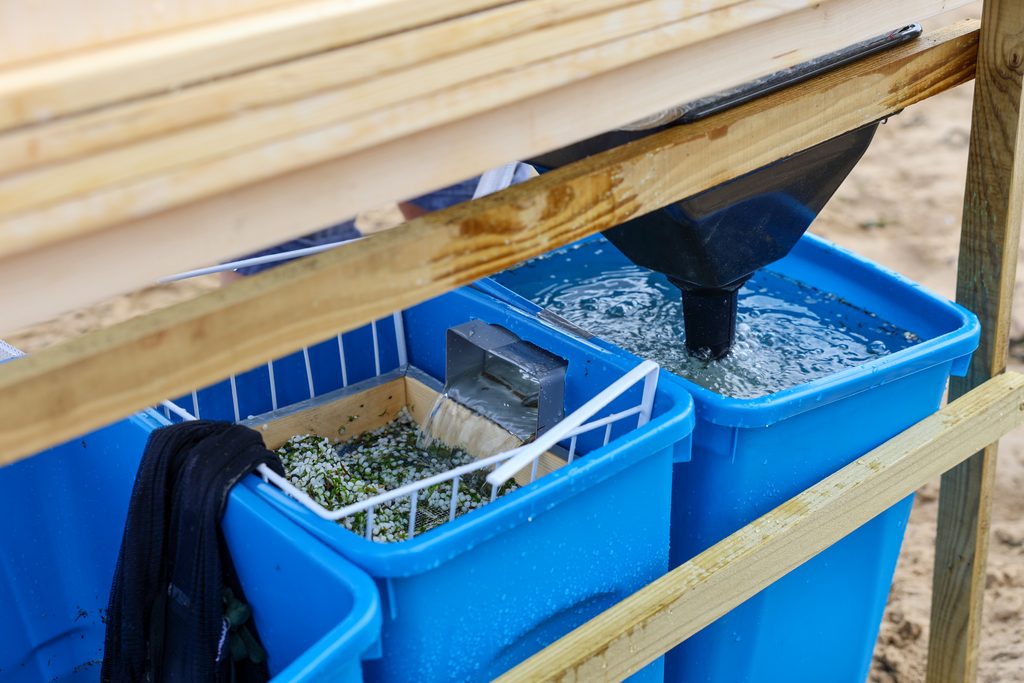
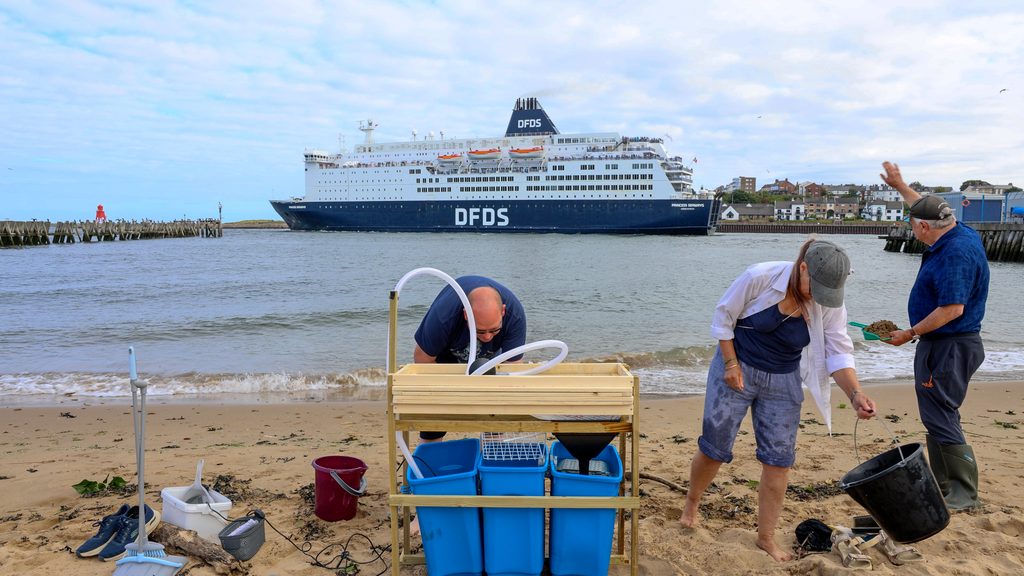
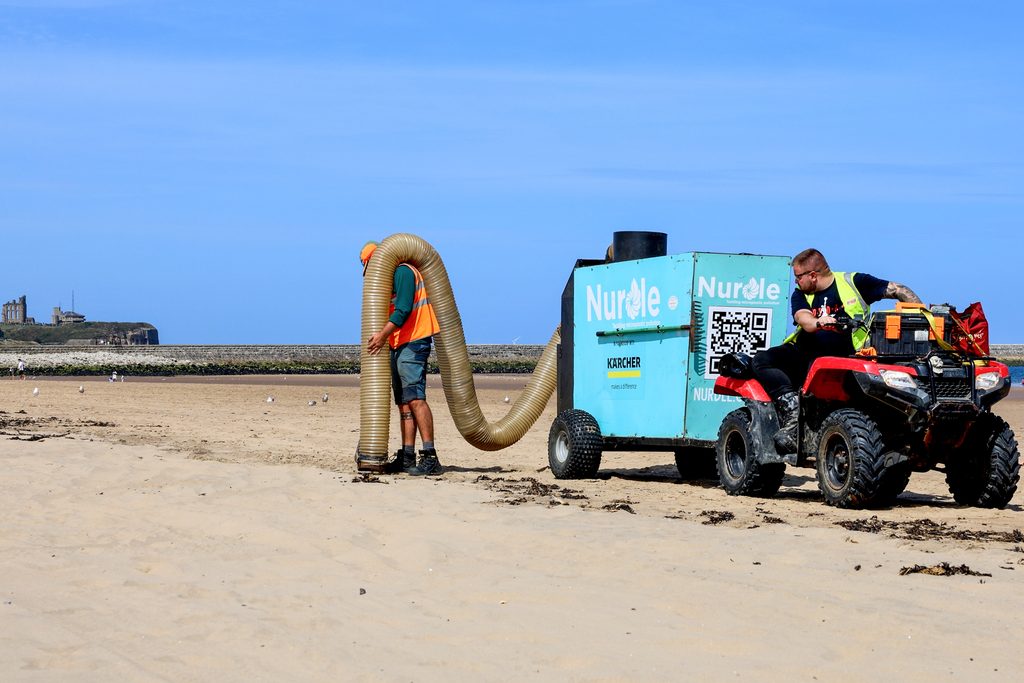
There has been remarkable ingenuity, too. Local resident John Lodge designed and built a transportable nurdle-filtering machine with a built-in pump that continuously recycles water. He calls it Nurdle McFilter Face, a nod to the vibrant community spirit and innovation that has emerged from the disaster.
Sand and seaweed are fed into the top, where the first filter separates out the seaweed. The sand and nurdles then enter a water-filled bucket: the sand sinks while the nurdles float, allowing them to be collected by a finer second filter. The pump then recirculates the water, completing the cycle.
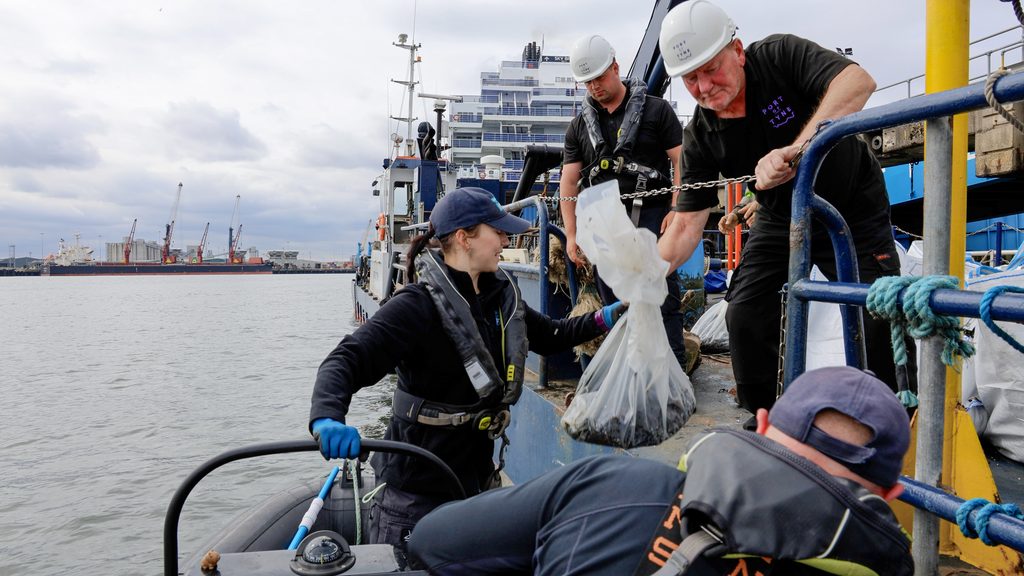
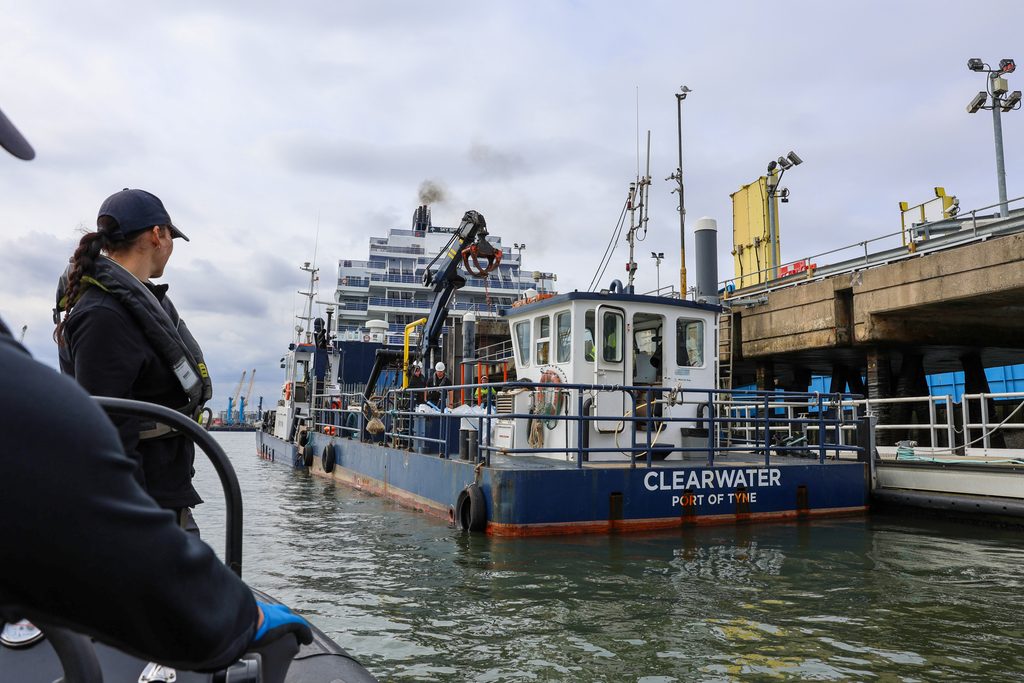
The scale of defiance and accountability coming from the community has also forced a change of stance from local councils, who have formalised a number of official drop-off points for volunteer-collected pellets. Public toilet opening times were also extended to support volunteers collecting from dawn to dusk. But even as the Port of Tyne responded to campaigners by increasing its recovery capacity, highly-skilled volunteers with boats weren’t allowed on the river until almost three weeks after the spill, even after being ready to go onto the river within days.
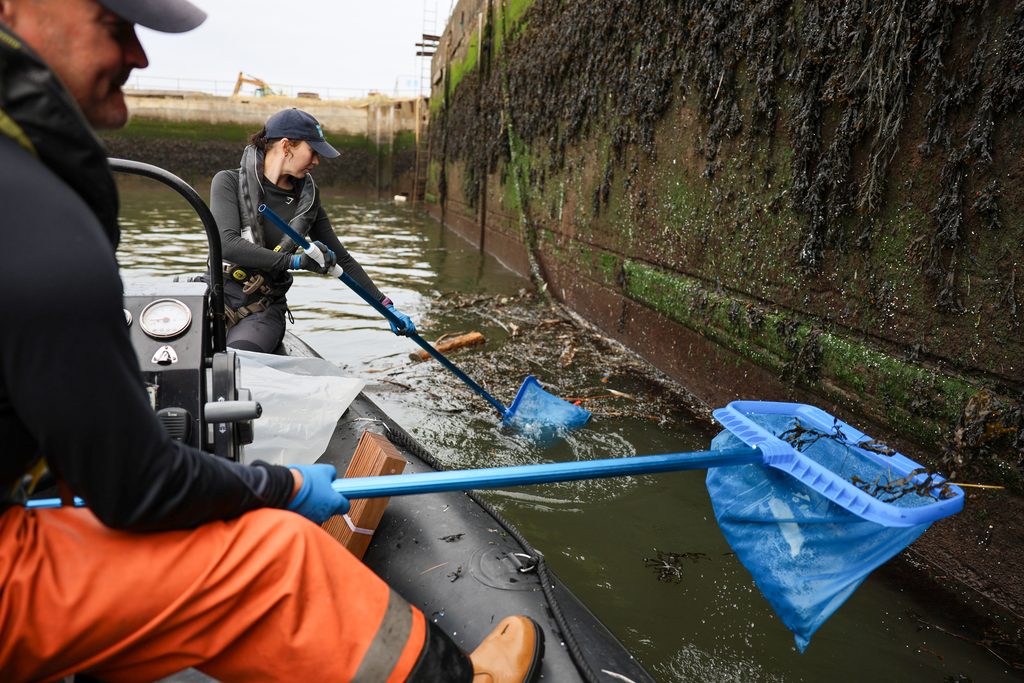
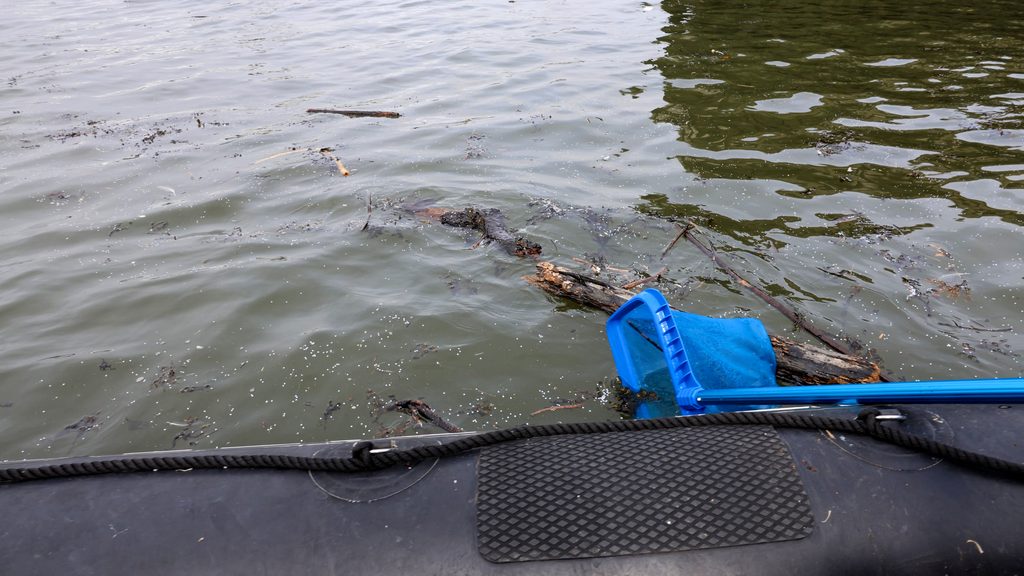
Volunteers from NIFCA, the Northumberland Inshore Fisheries and Conservation Authority, have been cleaning up nurdles for two weeks after initially being told by the Port of Tyne to stand down. The highest concentrations of nurdles are being found in the more sheltered corners of the Tyne, such as former dry docks.
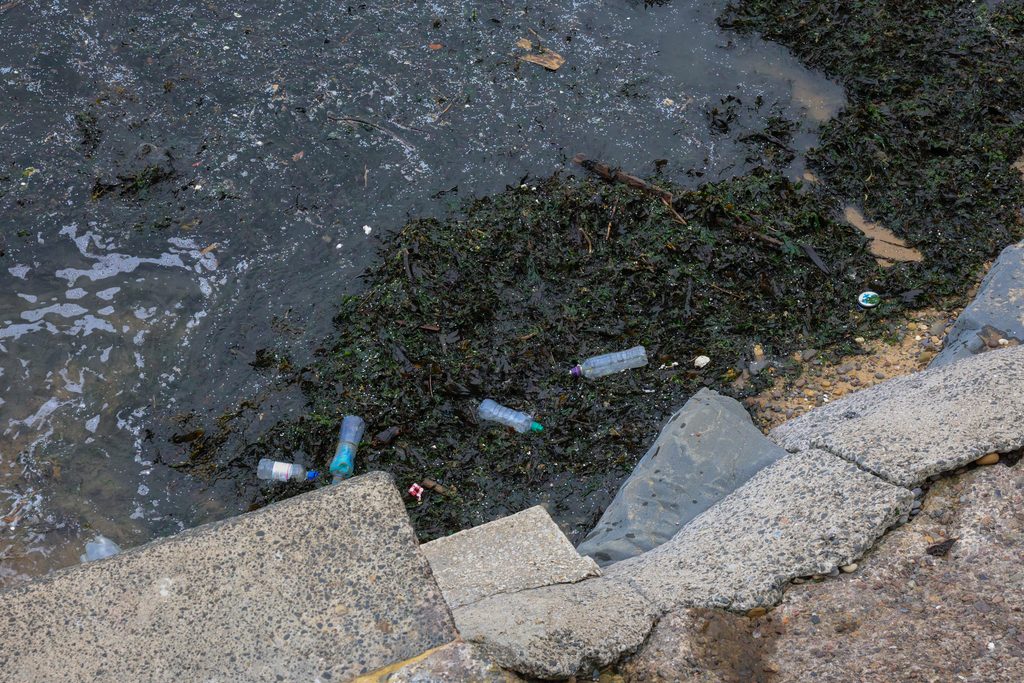
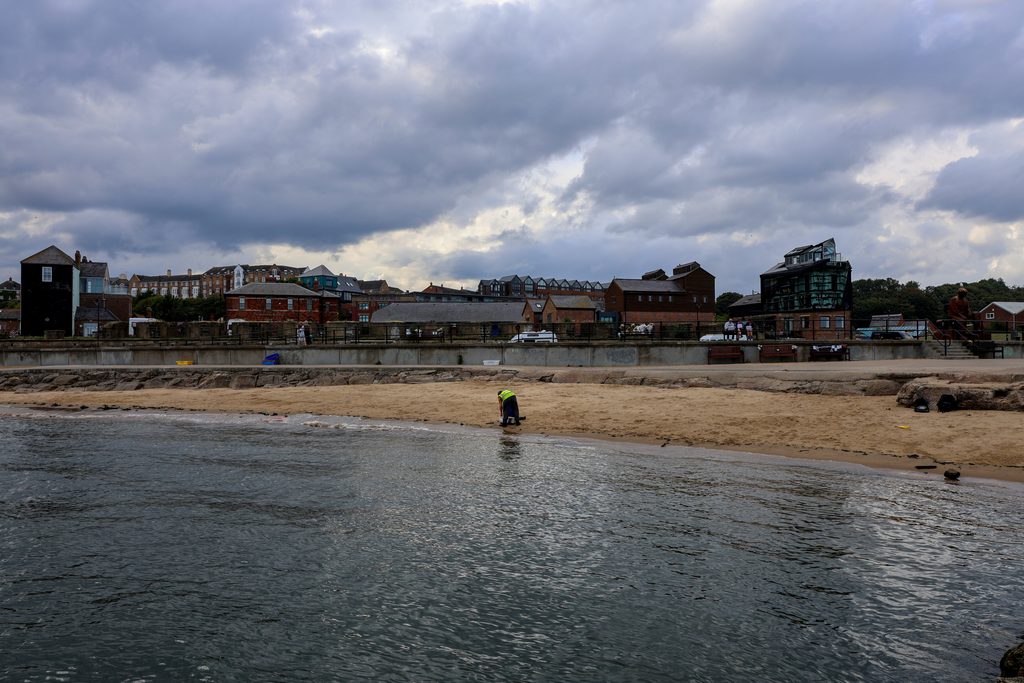
At low tide, nurdles are visibly scattered across dock walls, in hanging seaweed and beneath groynes, where they are released back into the river as the tide rises. But helping with the nurdle clean-up is diverting resources away from NIFCA’s statutory responsibilities, which means the volunteer boats on the river have had to stop.
This unprecedented environmental disaster in North East England has exposed a gap in the UK’s regulatory system. Unlike oil or many chemicals, plastic pellets are not classified as hazardous cargo under the International Maritime Dangerous Goods Code. Unless a shipment contains dangerous substances such as oil, ports are generally not told what is inside individual containers. This means port operators cannot take additional precautions when vessels are carrying cargo capable of causing widespread environmental damage if released.
The Port of Tyne claims it was not aware of the contents of the damaged containers until the pellets had already entered the water. The containers were stacked above deck and towards the outside of the ship, meaning they were more exposed to damage and, potentially, to the risk of their contents entering the water.
Had the containters been positioned further towards the core of the vessel, they would have been less likely to be damaged or for pellets to spill overboard. It is understood that, if plastic pellets were formally classified as a pollutant, their presence in the containers would have been communicated to port authorities, informing decisions about how and where they were stored to reduce the risk of a spill.
In the EU, this issue is already addressed by new rules that came into force in December 2025, which establishes that operators must avoid, contain and clean up any spills or losses, as well as establish and implement risk management plans tailored to the nature and size of their installations. The new rules apply to all economic operators managing installations in the EU that handle five tonnes or more of plastic pellets per year – including actors involved in maritime transport, such as ports.
In England, however, there is no equivalent legislation specifically targeting plastic pellet pollution, although a petition has been launched calling for new rules, which must reach 10,000 signatures before 13 September in order to reach parliament. Even so, that does not mean that a plastic pellet spill falls outside English environmental law.
Once pellets are discarded, they meet the legal definition of waste, and the Environment Agency has powers to regulate waste offences and the pollution of bodies of water. But even though the Environment Agency working on the basis that the recovered nurdles constitute waste, little has been seen of the agency, despite their claim they are working closely with local authorities, the Port of Tyne and recovery partners to support the clean-up effort.
There is also growing concern among volunteers that stakeholders responsible for resourcing the clean-up are scaling back their efforts because the community is continuing to provide thousands of hours of unpaid labour. Volunteers feel their efforts are being taken advantage of to undermine the case for greater official resources.
As the weather turns colder and much-needed rain becomes more frequent, sewage spills are increasing and volunteer efforts are declining, leaving the community wondering who will be left to clean up the plastic pellets washing up on the beaches.
Pellets have now been sighted as far north as Druridge Bay and as far south as Scarborough in North Yorkshire, extending the confirmed spill to around 60 miles of coastline. At the same time, contracted clean-up workers are being laid off, and volunteers fear that their unpaid labour is being exploited to justify scaling back the official response.
I find it remarkable that volunteers have been left to do so much: removing nurdles from beaches, developing new technologies, organising community outreach events and finding the time and energy to simply keep going. But this should never have been our responsibility.
The UK’s largest plastic pellet spill has exposed not only the extraordinary capacity of communities to respond to environmental disasters, but the gaps in the system that left them having to pick up the pieces.


Leave a Comment