
The No Frills Podcast, by Leah Pattem, is a direct, on-the-ground line to what people are really thinking and feeling.
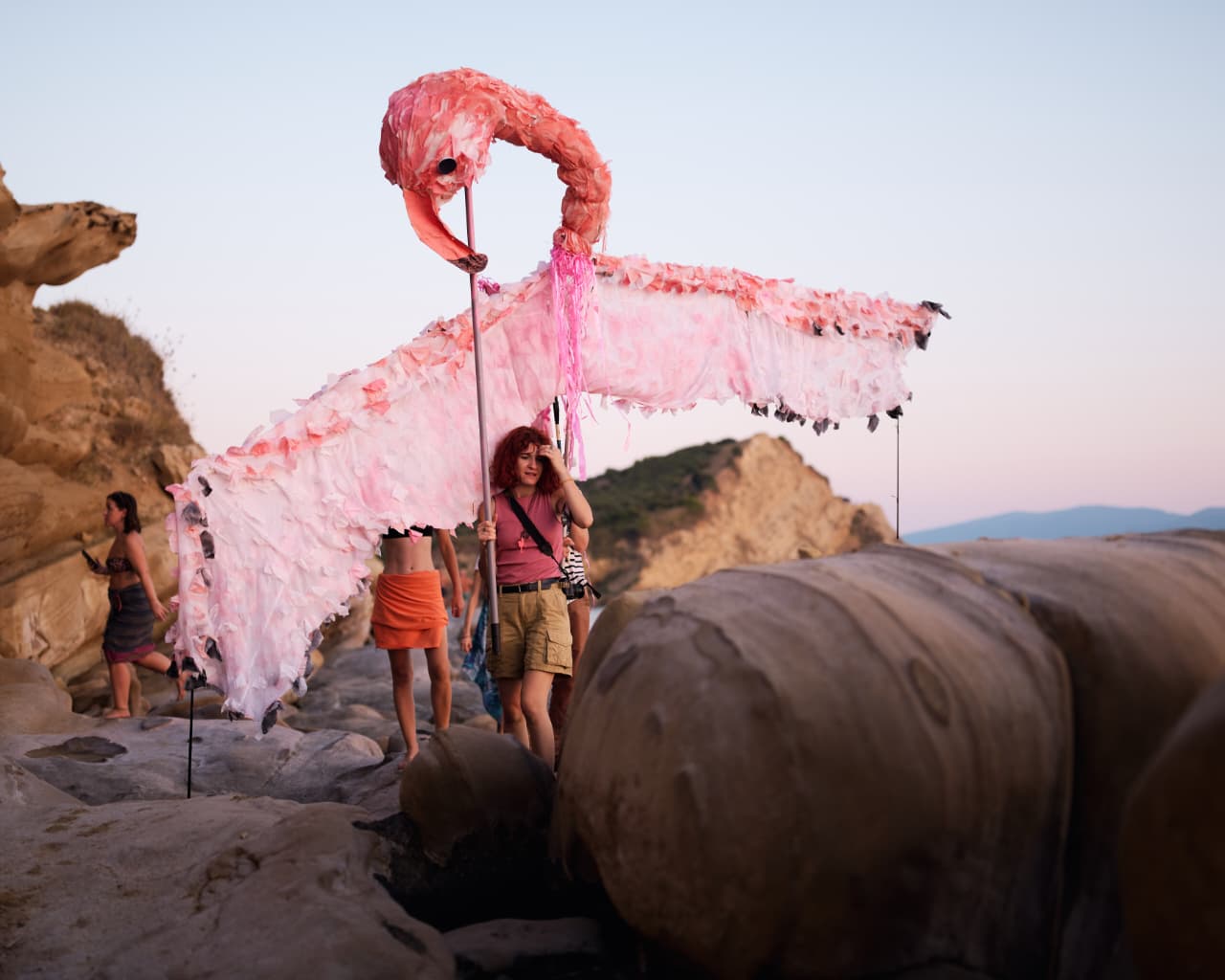
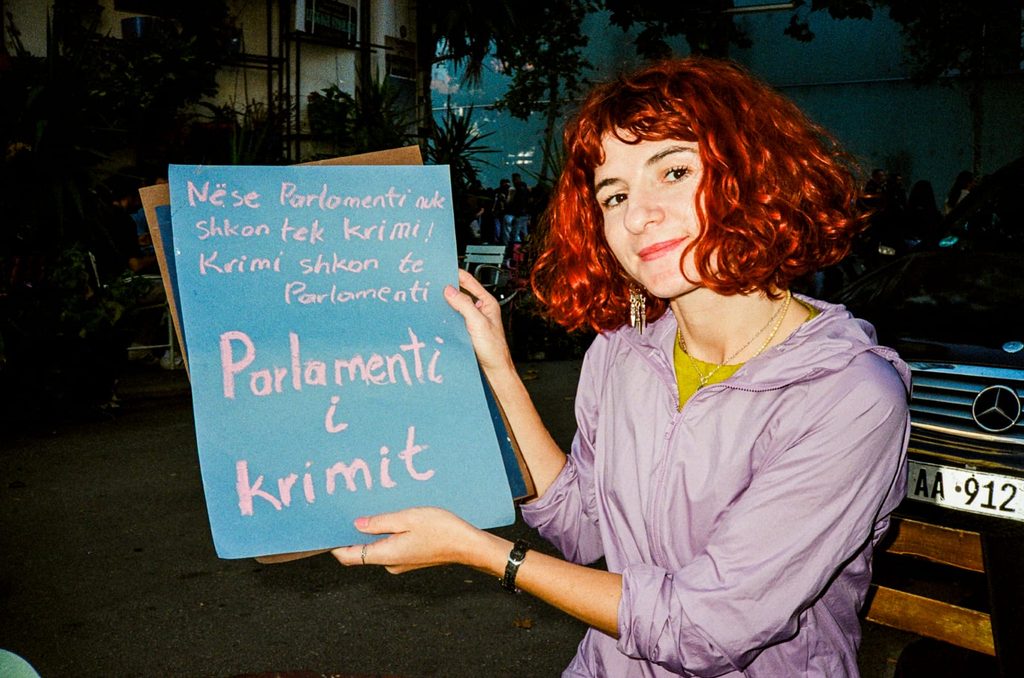
For almost six months, protesters have taken to the streets of Tirana every night. What began as a campaign to protect Albania’s coastline has grown into a wider revolt against corruption, unaffordable housing and police violence – with young people leading the demand for a say in their country’s future.
Listen on Spotify:
Listen on Apple Podcasts:
Explosions echo across central Tirana. Protesters carrying enormous Albanian flags hurl fireworks and Molotov cocktails towards the Prime Minister’s office. Water-cannon vehicles advance towards the crowd, followed by hundreds of heavily equipped police officers, shields raised as cobblestones fly through the air. It’s day 160 of the Flamingo Revolution, which has become part of everyday life in Albania’s capital.
I travelled to Tirana for days 159, 160 and 161 of the protests to understand what is driving them, who is behind them, and what it means to be part of a movement that has become a way of life.
One of Europe’s great success stories
Albania is a country emerging from decades of communist isolation and edging closer to EU membership. Across Tirana, cement trucks and tower cranes dominate the streetscape, with skyscrapers rising above mosques, churches, brutalist government buildings and historic stone houses. But beneath the appearance of rapid modernisation, many residents feel increasingly excluded from the future being built around them.
The Flamingo Revolution began as an environmental campaign against luxury developments along Albania’s protected coastline, including two enormous projects approved under Prime Minister Edi Rama. Donald Trump’s son-in-law Jared Kushner, is behind the developments, which threaten vital wetland habitats for flamingos and migratory birds. But the movement has since grown into something much bigger.
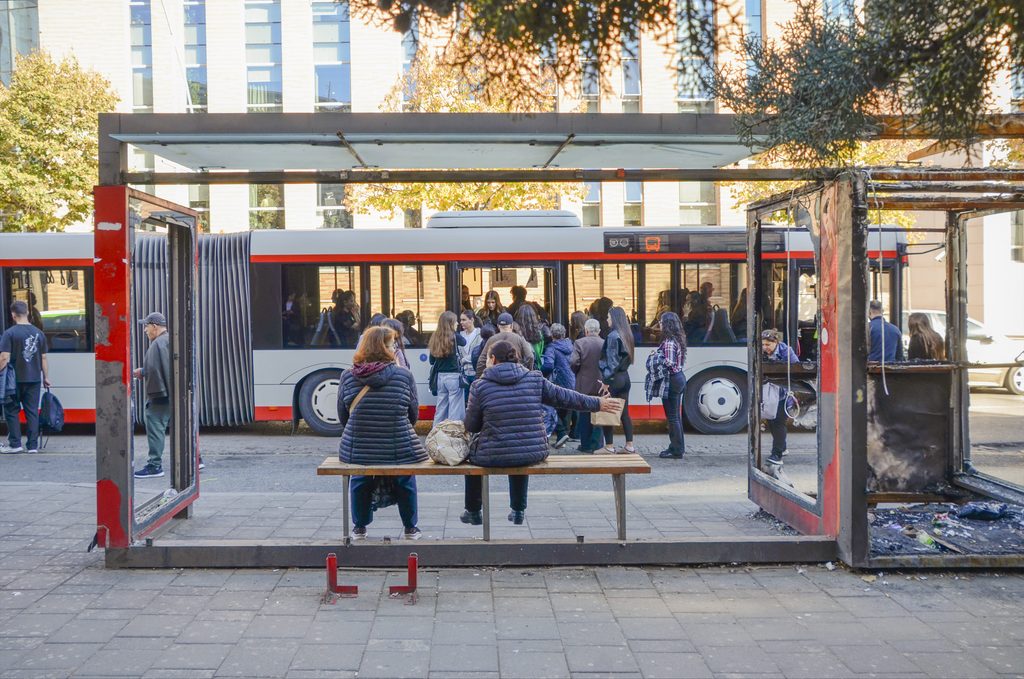
In Tirana, the construction boom has brought soaring rents, empty apartments and growing frustration over who actually benefits from economic growth. University professor of architecture Dea Buza told me that more than 55,000 apartments stand empty, while average monthly gross income is around €850. Finding a two-bedroom apartment in the capital for less than €600 has become increasingly difficult.
Tourism has only added to the pressure, with the rapid expansion of short-term rentals and expensive hotels pushing up living costs while basic infrastructure struggles to keep pace. But for many, this is not the modern Albania they were promised.
After decades of brutal communist dictatorship and isolation, Albania opened its borders in 1990. Denisa Kaca, founder of Expats in Albania, had left for Italy as a teenager and remembers the extraordinary excitement of seeing foreigners in Tirana for the first time. It meant the country was finally opening up to the rest of the world. After 22 years abroad, she returned to rediscover her homeland. But she believes Albania has never properly confronted the trauma of its past. “Our souls remember,” she told me.
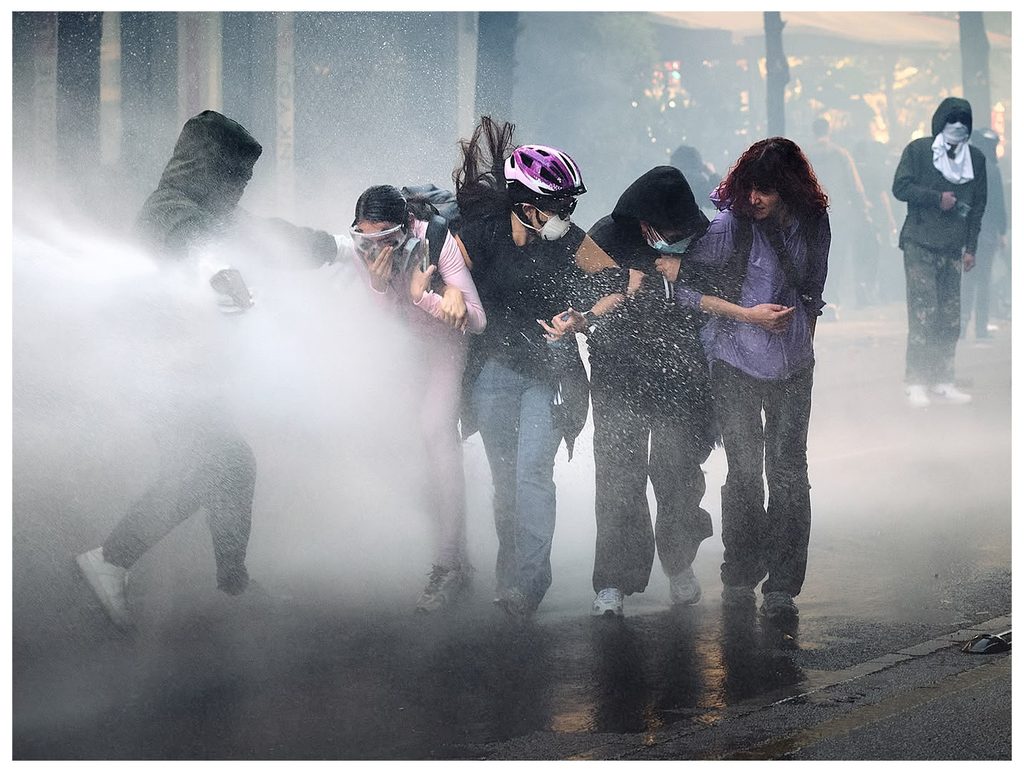
Now, another generation is questioning the direction of the country. Sam Ferdinand, an international student, describes how peaceful mass demonstrations gradually escalated into clashes with police. He also explains how the Prime Minister’s actions are being perceived by many Albanian’s as risking the country’s EU candidacy. Dea tells me “You cannot join the European Union with a prime minister that is completely corrupted.”
Elsa Paja and her two sisters, who all have coral red hair, have joined the protests almost daily. They tell me that in the early months of the Flamingo Revolution, demonstrations were filled with drumming, political songs, children’s activities and enormous flamingo banners. But following reports of protesters being attacked by private security guards, “this was the moment everything changed,” says Elsa.
She describes tear gas filling the streets, demonstrators being hit by rubber bullets and hundreds of young people being arrested, including minors. Some injured protesters are reluctant to seek hospital treatment for fear of being detained. Before heading to the protest, Elsa hands me a disguised protective helmet, goggles and a mask. On the way, she spray-paints a message on a wall: “Albania is not for sale.”
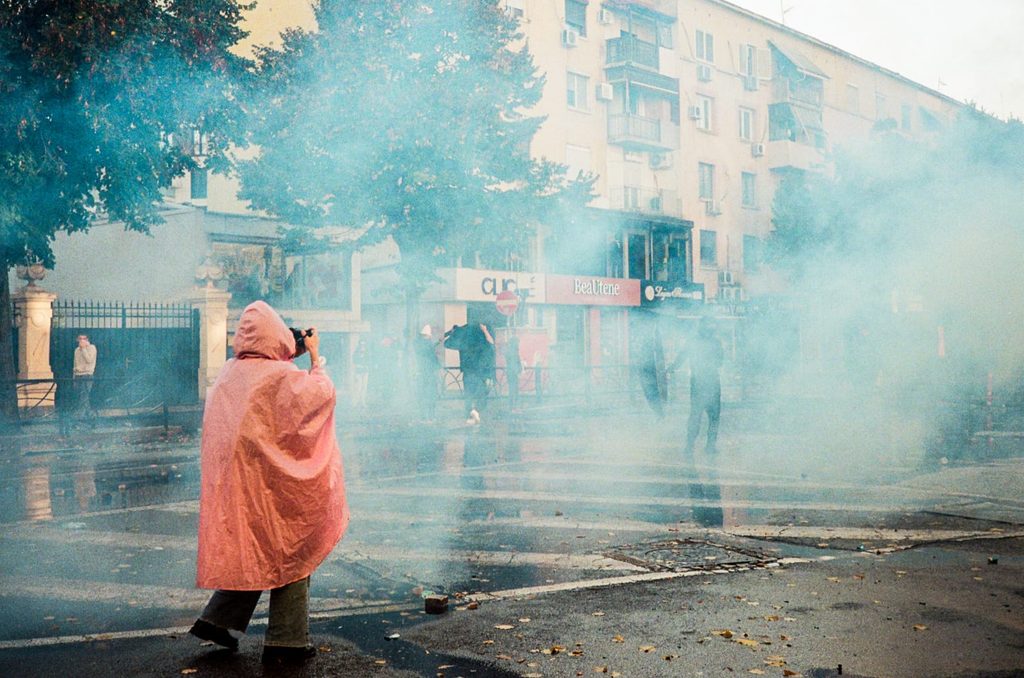
In this podcast, hear the fireworks and Molotov cocktails being hurled towards the police, the roar of water cannons as they drench the crowd, and the voices of the people who keep coming back to the streets every night. Because beneath the explosions and confrontations lies another demand: the right to stay in Albania.
After a generation of Albanians who left the country in search of a better life, many young people now want to stay and thrive here. They want to study degrees, get good jobs and build their futures at home, close to their families and friends. They are proud of their country, but demand a say in what it becomes. Because this is a future that belongs to the people who live here, not those who see it as something to buy.
Credits
Interviews with founder of Expats in Albania Denisa Kaca, university student at the College of Europe Sam Ferdinand, Architect at Apparat Collective and University Professor Dea Buza, sisters and frontline activists and organisers Elsa Paja and Fatima Paja, University of Tirana law student Fabiola Vatnikaj.
Sound recording locations in Tirana: Skanderberg Square, the Prime Ministers’ office, Ura Boulevard Bridge, the Ministry of Education, Et’hem Bej Mosque, Apparat Studio, Bar KROI, Bar Komiteti, Pyramid of Tirana, and Rinia Park.
Research, interviews, recording, production and visuals by Leah Pattem. Contributing photography by Mei Seva and Zeni Aliaj.
More episodes of The No Frills Podcast
Episode 1: Maricarmen and the Madrid encampment – how a new social movement was born
Episode 2: How the mass depopulation of Porto’s downtown sparked a tourism boom and housing revolution
SUPPORT THIS PLATFORM
You may have noticed that I don’t run ads, nor accept sponsors or investors. Independence is everything and what I decide to publish will not be influenced by those in a position of capital, privilege or power. Therefore, I invite only you to support this platform and only you to help us keep doing what we do. Support MNF for as little as €1 per month, which you can cancel at any time.
Leave a Comment